
The best time to visit Western Desert Egypt is generally from October through April, when daytime conditions are usually much more comfortable for sightseeing, 4×4 safaris, hiking and overnight camping than during the hottest summer months.
But that simple answer does not tell the whole story.
Egypt’s Western Desert covers an enormous region stretching from Siwa Oasis in the northwest through Bahariya, Farafra, Dakhla and Kharga, with landscapes ranging from salt lakes and giant dunes to the Black Desert, White Desert and remote oasis settlements.
Weather conditions therefore vary according to both season and location.
A January night at a White Desert camp can feel surprisingly cold.
A March afternoon may be almost ideal for hiking and photography.
October can provide warm days and comfortable evenings.
July, meanwhile, can bring extremely high daytime temperatures that make long outdoor activities far more demanding.
Egypt’s official tourism authority describes the country as predominantly warm and sunny, with winter generally falling between roughly November and early spring and the hottest summer period between June and August. It specifically notes that summer heat is particularly strong in desert regions.
For most travelers planning a Western Desert safari, the practical sweet spot is therefore:
October to April for general desert travel.
Within that period:
October–November: excellent for warm-weather desert travel.
December–February: best for cooler daytime exploration, but nights can be cold.
March–April: excellent balance of comfortable days and longer daylight.
The right month also depends on what you want to do.
Camping in the White Desert?
Floating in Siwa’s salt lakes?
Taking a long multi-oasis expedition?
Photographing sunrise and sunset?
This guide explains the best months for each experience and gives you a complete month-by-month Western Desert weather overview.
For regional planning, also read our Western Desert Egypt travel guide and Western Desert Egypt itinerary guide.
Quick Answer: What Is the Best Month to Visit Western Desert Egypt?
If you want the shortest possible answer:
Best Overall Months
October, November, February, March and early April
These months usually provide one of the strongest combinations of:
- Comfortable daytime sightseeing.
- Manageable desert temperatures.
- Good camping conditions.
- Pleasant 4×4 safari weather.
- Strong photography light.
- Lower heat stress than summer.
Best for Cool Weather
December, January and February
These months are excellent for daytime desert exploration, but you need warm clothing after sunset.
Best for Camping
October through April
Winter camping is excellent if you are properly prepared for cold nights.
Best for Siwa Oasis
October through April
Siwa experiences very hot summers and considerably more comfortable cooler months. Climate data for Siwa shows average daytime highs around 20°C in January compared with around 38°C in July, with winter nights becoming much cooler.
Hottest Months
June, July and August
These are generally the least comfortable months for long desert safaris and extended outdoor sightseeing.
Understanding Western Desert Egypt Weather
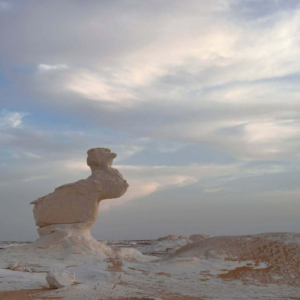
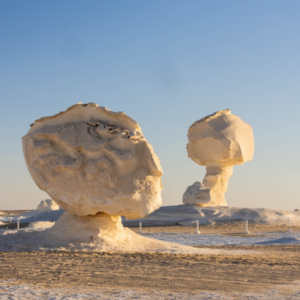
The first thing to understand is that desert weather is about temperature range, not simply maximum daytime temperature.
You may leave your vehicle in warm sunshine wearing a light shirt.
Several hours after sunset, you may want a jacket, fleece or additional layer.
The dry environment allows temperatures to fall noticeably after dark.
That is why packing for a Western Desert trip is different from packing for a conventional beach holiday.
Egypt’s official tourism authority recommends light, loose clothing for warm daytime conditions but also advises visitors traveling during autumn and winter to bring a light or medium jacket or windbreaker. It also recommends sun protection such as sunscreen, sunglasses and a hat.
For camping trips, we recommend going further than that basic Egypt packing advice and bringing proper warm layers during winter.
Does It Rain in the Western Desert?
Rain is generally limited compared with many destinations in Europe or North America.
Egypt has an overwhelmingly dry climate, and sunny conditions dominate much of the year. The Egyptian Tourism Authority notes that almost every day is sunny, with daylight averaging roughly 10–14 hours depending on season.
However, “desert” does not mean that weather should be ignored.
Occasional unusual conditions can affect:
- Roads.
- Off-road routes.
- Visibility.
- Camping.
- Desert access.
For multi-day expeditions, always check the latest forecast before departure and follow the recommendations of your desert team.
Western Desert Egypt in January
Overall Rating: Excellent
January is one of the coolest months in Egypt’s Western Desert.
That makes it particularly attractive for travelers who struggle with heat.
Daytime sightseeing around Bahariya, Siwa, Dakhla or Kharga can feel comfortable, especially when compared with summer.
Siwa climate averages illustrate this seasonal difference clearly: average January daytime highs are around 20°C, while nighttime conditions can fall to around 7°C.
That does not mean every part of the Western Desert experiences exactly those numbers.
It does show the type of day-night temperature contrast you should expect.
January Is Excellent For:
- White Desert tours.
- Multi-day expeditions.
- Hiking.
- Archaeological sightseeing.
- 4×4 safaris.
- Photography.
- Stargazing.
January Camping
Excellent if you are prepared.
Do not make the mistake of packing only for the sunny afternoon.
Bring:
- Warm jacket.
- Fleece or insulating layer.
- Long trousers.
- Warm socks.
- Comfortable closed shoes.
If you are planning your first overnight desert trip, see our White Desert camping guide.
Western Desert Egypt in February
Overall Rating: Excellent
February remains one of the strongest months for desert travel.
Days are generally mild enough for active sightseeing, while temperatures begin transitioning gradually toward spring.
For many travelers, February may actually feel easier than January because evenings can be slightly less severe while daytime heat remains manageable.
Best February Experiences
- White Desert camping.
- Bahariya safari.
- Dakhla and Kharga exploration.
- Siwa sightseeing.
- Great Sand Sea.
- Long-distance Western Desert routes.
February is particularly attractive for a 5-day Cairo-to-Luxor Western Desert route, because you will spend significant time moving through multiple oases and archaeological sites.
Western Desert Egypt in March
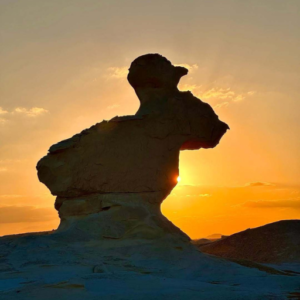
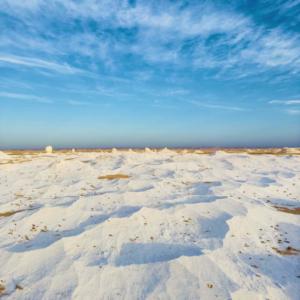
Overall Rating: One of the Best Months
March is arguably one of the strongest all-round months for Western Desert travel.
Daytime conditions are typically warmer than January and February, but usually far more comfortable than midsummer.
Daylight is also increasing.
That gives travelers more flexibility for:
- Photography.
- Hiking.
- Long safari days.
- Archaeological stops.
- Camps.
- Oasis exploration.
For a first-time visitor who asks us to choose just one period, March is very difficult to beat.
March Is Best For:
Photography.
Camping.
White Desert safaris.
Multi-oasis tours.
Siwa.
Long Western Desert expeditions.
Couples and families who want comfortable days without the coldest winter nights.
Western Desert Egypt in April
Overall Rating: Excellent to Very Good
April remains an excellent month, particularly during the earlier part of the month.
Temperatures continue rising as Egypt approaches summer.
For travelers who enjoy warm weather, that may be ideal.
For travelers sensitive to heat, late April can begin feeling noticeably warmer during midday.
April Advantages
Longer daylight.
Warm evenings.
Excellent sunrise and sunset experiences.
Comfortable early mornings.
Good conditions for Siwa salt lakes.
Good camping weather.
April Strategy
Plan the most physically demanding activities earlier or later in the day.
Use midday for:
- Lunch.
- Driving.
- Springs.
- Shaded stops.
April can be especially good for longer White Desert trips where you have enough itinerary flexibility to avoid rushing through the hottest part of the afternoon.
Western Desert Egypt in May
Overall Rating: Good for Heat-Tolerant Travelers
May marks the transition toward significantly hotter desert conditions.
Egypt’s official tourism guidance describes summer as beginning broadly around May, with hot and dry conditions becoming increasingly dominant.
This does not mean the Western Desert suddenly becomes impossible to visit.
It means itinerary design becomes more important.
May Travel Tips
Start early.
Schedule hikes before midday.
Carry more water.
Use sun protection consistently.
Keep your head covered.
Avoid unnecessary exposure around the hottest part of the day.
Prioritize shaded or vehicle-based activity during peak heat.
May may suit travelers who prefer fewer cold evenings and do not mind high daytime temperatures.
Western Desert Egypt in June
Overall Rating: Hot
June is where summer desert travel becomes considerably more demanding.
Long sightseeing days under direct sun can be uncomfortable, particularly for travelers arriving from cooler climates.
Egypt’s tourism authority identifies June through August as the peak summer period and notes that deserts and southern regions experience particularly hot conditions.
Is June a Bad Time?
Not automatically.
Experienced desert teams can adjust schedules.
But for a first-time Western Desert visitor with completely flexible dates, I would choose October–April instead.
June Works Better For:
Travelers accustomed to extreme heat.
Shorter activities.
Early-morning exploration.
Hotel-based oasis trips rather than prolonged midday outdoor exposure.
Western Desert Egypt in July
Overall Rating: Very Hot
July is one of the hottest times to explore the Western Desert.
Siwa, for example, experiences average daytime highs around 38°C in July, according to climate data, compared with around 20°C in January.
In exposed desert landscapes, direct sun can make conditions feel even more intense.
July Challenges
Heat fatigue.
Dehydration risk.
Strong sun exposure.
Reduced comfort during hiking.
Less enjoyable midday photography.
More difficult long sightseeing days.
If July is the only month available for your Egypt trip, it is still possible to visit selected desert destinations with careful scheduling.
But for a dedicated Western Desert expedition, July would not be my first choice.
Western Desert Egypt in August
Overall Rating: Very Hot
August remains firmly within the hottest period.
Travel styles matter greatly.
A traveler sitting inside an air-conditioned vehicle between short stops experiences August very differently from someone planning:
- Hiking.
- Sandboarding.
- Long photography sessions.
- Multiple camping nights.
- Full-day off-road exploration.
For the second traveler, cooler months are substantially better.
Better August Alternatives
If Western Desert travel is optional within a larger Egypt itinerary, consider spending more time near coastal destinations during peak summer and saving a deeper Western Desert journey for a cooler season.
Western Desert Egypt in September
Overall Rating: Improving
September is a transitional month.
It can still be hot, especially earlier in the month, but conditions gradually move toward the more comfortable autumn travel period.
Late September can be particularly attractive for travelers who enjoy warmth and want to travel before the core winter tourism period.
September Advantages
Warm evenings.
Long daylight.
Fewer concerns about cold camping.
Increasingly comfortable conditions toward the end of the month.
September Disadvantage
Midday heat can remain significant.
Treat September as the beginning of the transition rather than a guaranteed cool-weather month.
Western Desert Egypt in October
Overall Rating: Excellent
October is one of my strongest recommendations.
The brutal peak-summer heat is receding, but winter’s coldest nights have not yet arrived.
That creates excellent conditions for:
- Camping.
- 4×4 safari.
- Siwa.
- White Desert.
- Long-distance expeditions.
- Photography.
- Oasis sightseeing.
Why October Works So Well
Days are still warm.
Evenings are generally manageable.
Sunrise and sunset are comfortable.
Camping can be easier for travelers who dislike cold nights.
If you are considering one of the longer Western Desert routes, October is a particularly strong choice.
Western Desert Egypt in November
Overall Rating: Excellent
November is another top-tier month.
Egypt’s official tourism guidance places November firmly within the cooler part of the year.
Daytime conditions are typically suitable for long periods outside.
This is particularly valuable in destinations such as:
- Dakhla.
- Kharga.
- Bahariya.
- White Desert.
- Siwa.
Best November Trips
2–4 day White Desert tours.
5-day Cairo-to-Luxor expeditions.
7-day Siwa + White Desert trips.
8-day Western Desert expeditions.
The longer your route, the more you benefit from comfortable daytime temperatures.
Western Desert Egypt in December
Overall Rating: Excellent
December is one of the most popular periods for Egypt travel generally, and Western Desert conditions can be excellent.
Days can feel pleasant and sunny.
Nights can become cold.
That combination is ideal for active travelers provided they pack correctly.
December Is Excellent For:
Christmas trips.
New Year desert camps.
Photography.
Stargazing.
Long oasis routes.
White Desert camping.
Important December Consideration
Popular holiday dates can increase demand.
If you want a specific private tour during Christmas or New Year, booking earlier is sensible.
Best Time to Visit the White Desert
For most travelers, the best period for the White Desert is:
October through April.
The cooler season makes:
- 4×4 exploration.
- Walking.
- Sandboarding.
- Camping.
- Sunrise.
- Sunset.
more comfortable.
Winter can be particularly beautiful, but remember that White Desert camping nights can feel substantially colder than Cairo during the day.
If your trip focuses specifically on this destination, also read our dedicated Best Time to Visit White Desert Egypt.
Best Time to Visit Bahariya Oasis
Bahariya is the closest major Western Desert oasis to Cairo, located approximately 370 km southwest of the capital according to the Egyptian Tourism Authority.
It is the gateway to:
- Black Desert.
- White Desert.
- Hot springs.
- Sandboarding.
- Desert camping.
The official tourism platform specifically recommends Bahariya when travelers have only a few days for the Western Desert and notes that longer routes can continue through the traditional desert circuit.
Best Season
October–April.
For oasis sightseeing alone, a wider part of the year can work.
For a combined Bahariya + White Desert safari, cooler months are much better.
Best Time to Visit Siwa Oasis
Siwa deserves separate consideration because it lies much farther northwest.
It combines:
- Salt lakes.
- Springs.
- Archaeological sites.
- Shali Fortress.
- Great Sand Sea dunes.
- Oasis gardens.
Its summer conditions can become extremely hot.
Climate averages show Siwa moving from around 20°C average daytime highs in January to approximately 38°C in July.
Therefore:
Best Siwa Season
October through April.
Best for Salt Lakes
Spring and autumn provide excellent balance between warm enough swimming conditions and manageable sightseeing temperatures.
Best for Great Sand Sea Safari
October–April.
If you are planning the journey from Cairo, see our Cairo to Siwa Oasis guide.
Best Time for Dakhla and Kharga
Dakhla and Kharga are better suited to longer Western Desert routes.
These destinations combine desert scenery with important archaeological sites.
Dakhla includes ancient settlements, Roman tombs, temples and traditional villages. Egypt’s official tourism authority highlights attractions including the al-Muzawwaqa necropolis, Ain Asil, Deir al-Hagar and historic villages.
That means a visit requires substantial time outside rather than simply driving through.
Recommended Season
October through April.
Cool weather is particularly helpful when exploring archaeological sites on foot.
Best Time for Western Desert Camping
Camping season is one of the biggest reasons to care about weather.
The official Egyptian tourism authority highlights overnight camping as one of the outdoor experiences possible in protected desert areas when arranged by licensed guides.
October
Warm and comfortable.
November
Excellent.
December
Excellent but cold at night.
January
Excellent daytime conditions; potentially cold overnight.
February
Excellent.
March
Excellent balance.
April
Warm and generally comfortable.
May–September
Possible depending on route and experience, but high daytime heat makes camping and outdoor activity less appealing for most visitors.
Best Time for Stargazing in the Western Desert
Weather is only one factor in stargazing.
You should also consider the moon.
A nearly moonless night gives you darker skies and more visible stars.
A bright full moon reduces visibility of faint stars but illuminates the desert landscape beautifully.
For White Desert photography, a full moon can actually be extremely interesting because the chalk formations reflect light.
For astronomy-focused stargazing, darker lunar conditions are preferable.
Best Weather Window
October–April because nights are generally more comfortable for staying outside for extended periods.
Bring warm clothing during winter.
Best Time for Western Desert Photography
For photography, I would prioritize:
October–April
and particularly:
October, November, February and March.
Why?
Comfort matters when you are standing outside waiting for light.
A 15-minute attraction stop is possible in high temperatures.
Waiting 90 minutes for sunset composition is much harder.
Winter and shoulder-season travel also makes hiking around viewpoints considerably more comfortable.
For photographers, consider the 4 Days White Desert Tour or a longer Western Desert expedition rather than the fastest available itinerary.
Best Time for a Western Desert Road Trip from Cairo to Luxor
The classic multi-oasis route can connect:
Cairo → Bahariya → White Desert → Farafra → Dakhla → Kharga → Luxor
The official Egyptian tourism platform notes that travelers with a week or more can explore the traditional desert circuit through Bahariya, Farafra, Dakhla and Kharga, while Western Desert routes connect oasis settlements across the region.
Because this journey involves multiple days of:
- Driving.
- Walking.
- Archaeological exploration.
- Desert camping.
- Outdoor stops.
the weather matters more than it does on a short tour.
Best Months
October.
November.
February.
March.
Early April.
December and January are also excellent if you are comfortable with cold nights.
Is Winter the Best Time to Visit Western Desert Egypt?
For many travelers, yes.
Winter provides:
- Cooler daytime temperatures.
- Better hiking conditions.
- Easier archaeological sightseeing.
- Comfortable 4×4 stops.
- Good camping weather with correct equipment.
The downside is cold evenings and nights.
Therefore, winter is not automatically “perfect weather.”
It is perfect daytime weather with a need for warm nighttime clothing.
If you dislike cold camping, October, November, March or early April may suit you better.
Is Summer a Bad Time to Visit Western Desert Egypt?
Not necessarily “bad,” but generally less comfortable.
Experienced desert travelers and local operators know how to manage hot conditions.
However, for a first-time international visitor who can choose any season, peak summer creates unnecessary challenges.
The Egyptian Tourism Authority specifically notes that deserts are particularly hot during summer.
High temperatures can reduce your enjoyment of:
- Walking.
- Climbing viewpoints.
- Sandboarding.
- Archaeological sightseeing.
- Camping.
- Long photography sessions.
For most leisure travelers, cooler months provide better value from the same itinerary.
What Should You Wear in Western Desert Egypt?
Your clothing should work in layers.
Daytime
Lightweight breathable clothing.
Long trousers.
Comfortable closed shoes.
Hat.
Sunglasses.
Sunscreen.
Evening
Add:
Long sleeves.
Fleece or sweater.
Windproof layer.
Winter Camping
Consider:
Warm jacket.
Additional insulating layer.
Warm socks.
Long trousers.
Potentially thermal base layers if you feel cold easily.
The official Egyptian tourism authority recommends light, loose clothing in general and a jacket or windbreaker during cooler seasons.
For desert trips, especially winter camping, additional warmth is sensible.
Does the Best Time Depend on Your Western Desert Tour?
Absolutely.
2-Day White Desert
October–April.
3-Day White Desert
October–April.
4-Day White Desert
October–April, with October–March especially strong for photographers.
Siwa Oasis
October–April.
Cairo to Luxor Western Desert Expedition
October–April.
7-Day Siwa + White Desert
October–April.
8-Day Expedition
Strongly favor cooler months because of the amount of time spent outside and traveling between remote destinations.
Compare your options in our Best Western Desert Tours from Cairo.
When Should You Book Your Western Desert Tour?
Weather is not the only thing to consider.
Popular travel periods include:
- Christmas.
- New Year.
- Easter.
- Autumn school holidays.
- Winter travel season.
If you need:
- Private vehicle.
- Specific hotel.
- Specific guide.
- Custom itinerary.
- Holiday dates.
booking in advance gives you greater flexibility.
For ordinary non-holiday dates, availability may be easier, but expedition logistics can still require advance planning.
Which Month Would We Choose?
If someone asked us to choose only one month for a first Western Desert trip:
March
would be one of our strongest choices.
Why?
You generally avoid:
The coldest winter nights.
The strongest summer heat.
Very short winter daylight.
And you still get excellent conditions for:
Camping.
4×4 exploration.
Photography.
Oasis sightseeing.
Long-distance routes.
Our second choices would be:
November and February.
For travelers who prefer warmer evenings:
October or early April.
Plan Your Western Desert Trip by Season
October–November
Best for:
White Desert camping.
Siwa.
Long expeditions.
Photography.
Warm-weather travelers.
December–February
Best for:
Hiking.
Archaeology.
Long sightseeing days.
Travelers who dislike heat.
Bring warm camping layers.
March–April
Best for:
Almost everything.
Excellent balance of temperatures and daylight.
May–September
Best for:
Heat-tolerant travelers.
Special schedules.
Travelers whose dates cannot move.
Use careful heat management.
Best Western Desert Tours by Season
Short Autumn or Winter Trip
2 Days White Desert Tour from Cairo
More Comfortable 3-Day Experience
Longer Photography Trip
Multi-Oasis Adventure
5 Days Western Desert Tour Cairo to Luxor
Full Siwa + White Desert Experience
7 Days Siwa & White Desert Tour
Full Expedition
8 Days Western Desert Expedition
Or compare all options on the Western Desert Travel tours page.
Final Verdict: When Is the Best Time to Visit Western Desert Egypt?
For most travelers, October through April is the best time to visit Western Desert Egypt.
If you want our strongest individual periods:
Best Overall
October, November, February and March.
Best for Cool Daytime Weather
December–February.
Best for Comfortable Camping
October–November and March–April.
Best for Siwa
October–April.
Best for White Desert
October–April.
Best for Long Western Desert Expeditions
October–March.
Least Comfortable for Most Travelers
June–August because of extreme daytime heat.
But there is no single perfect month for everybody.
Winter is excellent if you tolerate cold nights.
October is excellent if you prefer warmer camping.
March is excellent for balanced weather.
April is excellent if you enjoy warmer days.
The most important thing is to match the season with what you actually want to do.
A traveler spending two days mostly inside a 4×4 has different weather needs from a photographer camping for four nights.
And someone floating in Siwa’s salt lakes wants something different from a traveler walking through Dakhla’s archaeological sites.
Choose the right route.
Choose the right season.
And the Western Desert becomes one of the most rewarding parts of an Egypt itinerary.
Western Desert Travel TripAdvisor reviews
We are proud to be trusted by travelers from the USA, UK, Europe, and expats living in Egypt.
Posted on Tripadvisor
 Nicholas B
Verified
Unforgettable experience My wife and I went on a safari with Western Desert travel and it was an amazing experience. The White Desert was enchanting, Crystal Mountain was breathtaking, and the Black Desert was a unique experience. The guides were professional and helpful, and the meals were delicious and fresh. I highly recommend this company to lovers of adventure, nature, and relaxation. Thank you for an unforgettable experience!Posted on Tripadvisor Gary S
Verified
Excellent service The White Desert tour with Western Desert travel Company was an unforgettable experience. Excellent organization and great service. Thank you!Posted on Tripadvisor Susan PAn amazing adventure An amazing experience! The White Desert tour with Western Desert travel Company was beyond wonderful. The rest at the camp was relaxing, and the meals were delicious. The activities were fun, like sandboarding and camping under the stars. The guides were professional and very helpful. I highly recommend this tour to adventure and nature lovers! ????Posted on Tripadvisor
 Fred AA perfect adventure for us As soon as we left Cairo behind and entered the vast expanse of the Western Desert, it felt like stepping into another dimension. The landscape slowly transformed from the bustling cityscape into endless golden dunes, rugged rock formations, and an overwhelming sense of serenity. Our first stop was Bahariya Oasis, a lush haven in the middle of the arid desert, where palm trees swayed gently in the breeze, and natural hot springs promised relaxation after a long journey.Posted on Tripadvisor
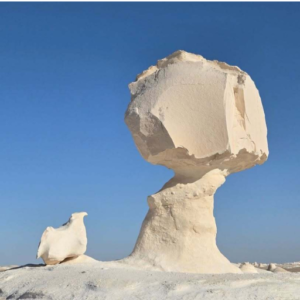
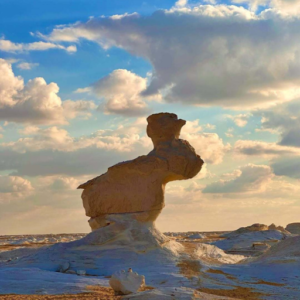
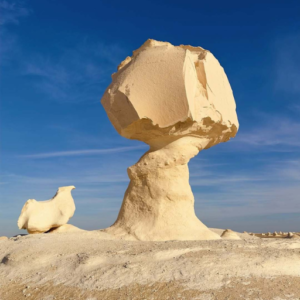
 Justin LA great experience in the White Desert Mohamed is an exceptional tour guide, polite, knowledgeable, and fluent in English. He is calm, well-educated, and makes the experience truly enjoyable. Our trip with him was nothing short of extraordinary! We explored incredible locations, including the Black Desert, once an area of active volcanic craters millions of years ago, the Crystal Zone with its dazzling natural crystals, and the breathtaking White Desert, where wind and time have sculpted the rocks into fascinating animal-like formations such as a snake, fish tail, camel, chicken, and rabbit.The scenery was mesmerizing, but the experience was made even better by the delicious, freshly prepared food. Every moment of the journey was enjoyable, and we were so captivated by the magic of the place that we decided to extend our stay for another night. What was planned as a one-night trip turned into two, simply because we couldn’t get enough of the stunning desert landscape.For anyone seeking a truly unique and unforgettable adventure, I highly recommend this tour with Western Desert Travel!Posted on Tripadvisor
 MakaylaAn authentic experience Our trip to the White and Black Deserts was nothing short of extraordinary! From the moment we set out, we were captivated by the breathtaking scenery—the golden dunes, the black volcanic hills, and the shimmering Crystal Mountain. But the true highlight was camping under a sky full of stars in the White Desert. The tranquility of the desert, combined with the warmth and hospitality of Mohamed and his team, made this experience unforgettable. The freshly prepared meals were delicious, and every detail of the trip was perfectly arranged. If you're looking for an adventure filled with beauty and serenity, this tour is an absolute must!Posted on Tripadvisor
 Bethany FUnforgettable trip in the desert Our camping trip in the White Desert was absolutely magical! From the moment we left Cairo, everything was smoothly organized—thanks to Mohamed and his incredible team. Driving through the Black Desert, marveling at Crystal Mountain, and feeling the golden dunes beneath our feet was breathtaking. But the real highlight was camping under the stars in the serene White Desert. The fresh dinner prepared by Mohamed’s team was beyond delicious, and the whole experience felt like a dream. Their hospitality, attention to detail, and passion for sharing this stunning landscape made this trip unforgettable We can't wait to return for a longer adventure!Posted on Tripadvisor
 Amelie BAn incredible experience This was hands down the best tour we've ever taken! Mohamed, our guide, was friendly, professional, and incredibly knowledgeable. From the moment we set foot in the Black Desert to watching the sunset over the White Desert’s surreal rock formations, every second was awe-inspiring. The landscape looked like something out of a painting, with towering chalk formations shaped by nature over millions of years. We loved the peacefulness of the desert, the delicious food, and the warm hospitality. Initially, we planned for just one night, but we were so enchanted that we extended our stay! Highly recommended for nature lovers and adventure seekers.Posted on Tripadvisor
 didiwadidiI loved this trip This was a trip I had been looking forward to for a long time. Mohamed's advice was invaluable while I was planning the trip. Once underway it was clear that he knew the area very well. Mohamed arranged for local guides to meet us when visiting historical sites. The accommodation was clean and comfortable and the food was excellent. The highlight for me was camping in the white desert, definitely an experience not to be missed. I have no hesitation in recommending Western Desert Travel.Below are the details of my trip:Day : 9 june Travel from Alexandria to Wadi Al Hitan to see the whale fossils. In the late afternoon proceed to Bahariya Oasis. Overnight at Bahariya. Day : 10 juneAfter the breakfast • local safari tour: through the old centre of the oasis, the black mountains, the sand dunes, salt lake, the gardens, pyramid mountain It is the place where the second largest dinosaur in the world was discovered. At sunset we go to the mountain with the ruin called "The English house" It is where the English lived in World War than back to the hotel for the diner. • In the evening there is a possibility to visit the village and the shopsDay : 11 June • After the breakfast we start the safari tour to the White Desert • (about 180 km.) This tour is going off and on road, with 4x4 cars. We will stop and drive to all the special areas between Bahariya and the White Desert , like: • the black desert • the valley of El Haize with the nice, warm spring; here we can have lunch. • the crystal mountains • the valley of l'Agabat Visit the Petrified Watermelon Valley overnight in this place and make the camping and cook frish food for dinner and Bedouin tea on fairDay : 12 juneAfter the breakfast Go for adventures among the dunes lunch time at the ( magic spring ) It is an enchanted Roman water spring. When you approach it, the water flows, and when you move away from it, the water stops and you visit the Roman cemetery. And lunch time than drive to Visiting petrified trees and petrified coral reefs and• the White Desert • We will make the safari camp in the White desert and cook a fresh meal for dinner. Day : 13 June • After breakfast we drive A tour in the White Desert to see chalk rocks of different shapes, such as the Sphinx, horse, chicken, elephant, rabbit than drive to farafa Oasis to visit Badr Museum drive to Dakhla Oasis, after lunch, going to visit Deir Al Hagar, the tombs of Qarat al Muzawaqqa and Al Qasr. Overnight in Dakhla in the hotelDay :14 June after breakfast drive to Kharga Oasis, visit Necropolis of Al Baghawat, the Temple of Hibis, Deir al Munira. will then proceed to Luxor.Posted on Tripadvisor
 PSFantastic Accompanied by an excellent, friendly, knowledgeable host and team. Travelling solo can be daunting in Egypt but they made me feel welcome and well looked after. The desert is just fantastic, and the camping experience very calming - all your problems go away. Muhammed is a great cook, very entertaining and thoughtful. The white desert is has an ethereal beauty, especially pretty at sunset. A must see
Frequently Asked Questions About the Best Time to Visit Western Desert Egypt
Plan your Western Desert Egypt trip with practical answers about the best months, seasonal temperatures, White Desert camping, Siwa weather, winter clothing and the most comfortable time for desert safaris.
Pingback: Cairo to Luxor via Western Desert: 2026–2027 Oasis Route Guide