
The best time to visit White Desert Egypt is generally between October and April, when daytime conditions are more comfortable for desert exploration, camping and 4×4 safaris.
However, the ideal month depends on what you want from your trip.
November and March provide an excellent balance between pleasant days and manageable nights. December and January offer cooler hiking conditions but can feel surprisingly cold after sunset. October and April are warmer transitional months, while the period from May to September requires greater preparation because of the intense daytime heat.
The White Desert is not simply a place you visit for an hour. Most travelers reach it through Bahariya Oasis before continuing through the Black Desert, Crystal Mountain, Agabat Valley and the White Desert in a 4×4 safari vehicle.
Your experience therefore depends on more than the daytime temperature. You also need to consider the cold after sunset, wind, visibility, sunrise time, moonlight, driving conditions and the number of nights you plan to spend camping.
This month-by-month guide explains exactly when to visit, what each season feels like and how to choose the right White Desert tour for your travel style.
Quick Answer: When Is the Best Time to Visit the White Desert?
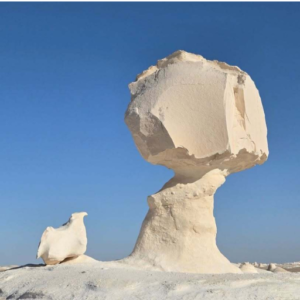
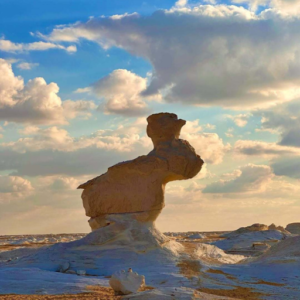
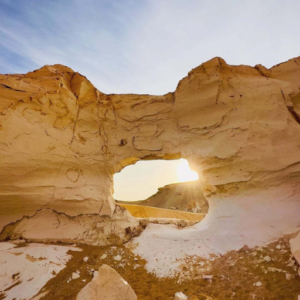
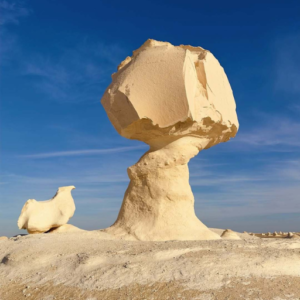
For most travelers, the best overall time to visit the White Desert is from late October through early April.
Choose November or March for the best balance of comfortable days, cool evenings and favorable camping conditions.
Choose December, January or February if you prefer cooler daytime weather and do not mind wearing several warm layers at night.
Choose October or April if you enjoy warmer weather and want to travel near the beginning or end of the main desert season.
The period from May through September is significantly hotter. Trips may still be organized when local conditions and operating arrangements allow, but outdoor activities need to be carefully timed and travelers must be prepared for strong daytime heat. Western Desert Travel currently identifies October through April as the most comfortable season while noting that summer departures may still be available.
Best Months at a Glance
| Month | General Conditions | Camping Comfort | Best For |
|---|---|---|---|
| January | Cool days and cold nights | Good with warm equipment | Hiking and clear winter light |
| February | Cool to mild days | Very good | First-time campers |
| March | Mild to warm days | Excellent | Overall travel and photography |
| April | Warm days and mild nights | Good | Travelers who prefer warmth |
| May | Hot days | Moderate to difficult | Experienced heat-tolerant travelers |
| June | Very hot and intense sun | Difficult | Specialist or customized departures |
| July | Peak summer heat | Difficult | Generally not the first choice |
| August | Very hot | Difficult | Flexible specialist travel |
| September | Hot, gradually improving | Moderate | Late-summer travel |
| October | Warm and increasingly comfortable | Very good | Start of the main season |
| November | Pleasant days and cool nights | Excellent | Best overall balance |
| December | Mild days and cold nights | Very good with layers | Winter scenery and stargazing |
These descriptions are planning guidance rather than a weather forecast. Conditions vary between Bahariya Oasis, exposed desert plains and individual campsites. Long-term climate data for Al Bawiti and the wider Western Desert show a clear pattern of cool, dry winters and long, hot summers, with a large difference between daytime and nighttime conditions.
Why the Season Matters in the White Desert
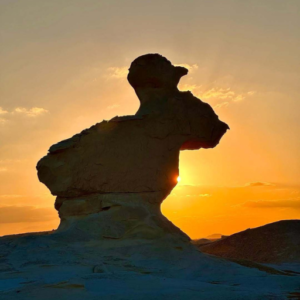
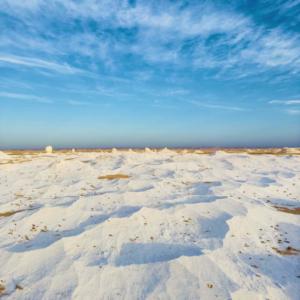
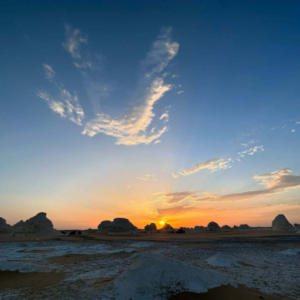
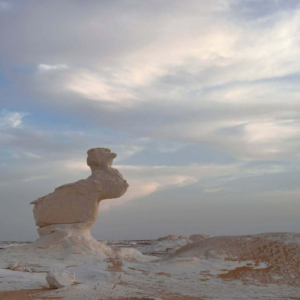
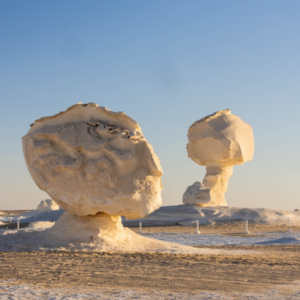
The White Desert National Park lies in the northern part of Farafra Oasis in Egypt’s Western Desert. It is a protected landscape known for white chalk formations shaped into unusual towers, domes and natural sculptures.
Unlike city sightseeing, a White Desert journey involves several hours of driving from Cairo, an off-road route through remote landscapes and at least one evening in an open desert environment.
Bahariya Oasis, the common gateway for tours from Cairo, lies approximately 370 kilometers southwest of the capital. After reaching the oasis, travelers normally change to a suitable 4×4 vehicle and continue toward the major desert landmarks.
Weather influences almost every part of this experience:
- How comfortable the drive and sightseeing stops feel.
- How long you can walk in direct sunlight.
- What time the safari should begin.
- The number of warm layers needed at camp.
- Whether you can comfortably sit outside after dinner.
- Visibility for landscape and night photography.
- How much water you need.
- Whether a longer trekking itinerary is practical.
That is why choosing the right month matters more for the White Desert than it does for many conventional sightseeing destinations in Egypt.
Visiting the White Desert in Autumn: October and November
Autumn marks the beginning of the main White Desert travel season.
After the most intense summer conditions begin to ease, the days become increasingly suitable for 4×4 exploration, walking and camping.
White Desert in October
October is one of the best months for travelers who enjoy warm weather.
Early October can still feel hot around midday, especially in exposed locations without shade. Conditions usually become more comfortable as the month progresses.
October works well for travelers who:
- Dislike very cold camping nights.
- Want warm sunset conditions.
- Plan to combine Cairo with the desert.
- Prefer lighter evening clothing.
- Want to travel before the busiest winter period.
A typical October itinerary can include the Black Desert Egypt, El Haize, Crystal Mountain, Agabat Valley and an overnight White Desert camp.
The main challenge is the strength of the sun. Even when the air feels more comfortable than in summer, sunscreen, sunglasses, a hat and regular hydration remain essential.
Late October is generally more comfortable for camping than the first part of the month.
White Desert in November
November is arguably the best overall month to visit the White Desert.
Daytime conditions are commonly pleasant enough for sightseeing and short walks, while evenings feel cool without usually reaching the deepest winter cold.
November is especially suitable for:
- First-time desert visitors.
- Couples.
- Families with older children.
- Landscape photographers.
- One-night camping tours.
- Longer two-night safaris.
- Travelers combining the desert with Cairo, Luxor or Aswan.
The comfortable balance makes November suitable for the fast 2-day White Desert tour from Cairo as well as longer itineraries.
Demand can be stronger during the cooler travel season, so private vehicles, guides and preferred dates should be reserved early when your schedule is fixed.
Visiting the White Desert in Winter: December to February
Winter offers the coolest daytime conditions of the year.
It is a popular season for travelers who want to explore without extreme heat. However, visitors frequently underestimate how cold an exposed desert camp can feel after sunset.
Dry air, wind and the absence of buildings can make the evening feel colder than the temperature alone suggests.
White Desert in December
December usually provides mild or cool daytime conditions and colder evenings.
It is an excellent month for:
- Desert sightseeing.
- Short hikes.
- Sunrise photography.
- Clear daytime landscapes.
- Campfire evenings.
- Christmas and New Year travel.
The main consideration is nighttime comfort.
A lightweight summer jacket may not be sufficient. Pack thermal or warm base layers, a fleece, a wind-resistant jacket, warm socks and something to cover your head.
December is a strong month for a 3-day White Desert tour from Cairo that combines a Bahariya hotel night with one desert camping night.
The hotel stay gives travelers time to rest before the safari and reduces the number of consecutive nights spent outside.
Holiday travel dates can be popular, so last-minute availability may be more limited.
White Desert in January
January is generally the coldest period of the White Desert travel season.
The days can be comfortable for off-road exploration, especially when the sun is shining. Temperatures can fall quickly after sunset, and early mornings may feel very cold before the sun warms the camp.
January is best for travelers who:
- Prefer cool weather.
- Are comfortable camping in winter.
- Own suitable outdoor clothing.
- Want to avoid hot daytime walks.
- Enjoy crisp sunrise and sunset conditions.
January is less suitable for visitors who expect Egypt to be warm at all times or who dislike sleeping in cool conditions.
The tour operator should provide mattresses, blankets and basic camping equipment, but travelers should still bring their own warm clothing. The current Western Desert Travel 2-day itinerary includes tents, mattresses and blankets, while recommending a jacket because desert nights can be cool.
If you are uncertain about winter camping, choose an itinerary containing one hotel night in Bahariya instead of two consecutive desert camps.
White Desert in February
February is one of the most comfortable winter months.
Early February can remain cold at night, but the month gradually moves toward milder spring conditions. Daytime exploration is generally comfortable, and camping remains enjoyable with proper clothing.
February is an excellent choice for:
- First-time White Desert campers.
- Couples.
- Private small groups.
- Photographers.
- Travelers taking a short Cairo break.
- Visitors planning a longer Egypt itinerary.
A one-night tour works well during February, but travelers who want more photography time should consider the 3-day White Desert safari with camps in Agabat and the White Desert.
Two nights provide two opportunities for sunset, night-sky photography and sunrise.
Visiting the White Desert in Spring: March and April
Spring brings longer days and gradually rising temperatures.
March is one of the strongest months of the entire season. April remains suitable for many travelers but becomes noticeably warmer, particularly around midday.
Spring can also bring occasional windy or dusty periods. Your operator may adjust the route, camp location or departure schedule according to local conditions.
White Desert in March
March is another leading candidate for the best month to visit White Desert Egypt.
The days are warmer than midwinter, while nights are often easier for camping. This balance makes March suitable for almost every type of traveler.
March is particularly good for:
- Camping.
- Photography.
- Families.
- Couples.
- Multi-day safaris.
- Outdoor meals.
- Short desert walks.
- Travelers who dislike winter cold.
A 4-day White Desert tour from Cairo is especially attractive in March.
The longer itinerary creates time for Agabat Valley, remote desert stops, two camping nights and Bahariya Oasis without compressing the experience into a single afternoon.
March is also suitable for visitors who want to remain outside after dinner instead of entering their tent immediately because of the cold.
White Desert in April
April is warmer and can be an excellent choice for travelers who enjoy heat without wanting the peak summer conditions.
Morning and late-afternoon sightseeing are usually more comfortable than long midday stops. The tour schedule may emphasize an early start, shaded lunch break and later exploration.
April works well for:
- Warm-weather travelers.
- Expats living in Egypt.
- Visitors who want milder camping nights.
- Travelers who pack light.
- Private tours with flexible timing.
The month is less suitable for travelers who are highly sensitive to heat or want extended midday trekking.
A vehicle-based safari can still be practical because much of the route is covered by 4×4. A dedicated trekking tour requires a more careful assessment of the forecast, wind and planned walking distance.
Visiting the White Desert in Summer: May to September
Summer is the most demanding period for White Desert travel.
The landscape remains beautiful, but the intense sun and high daytime temperatures can reduce the amount of time travelers comfortably spend outside the vehicle.
The summer season requires:
- More water.
- Strong sun protection.
- Lightweight, breathable clothing.
- Earlier starts.
- Longer midday rest periods.
- Careful food and medication storage.
- A realistic understanding of heat tolerance.
- Direct confirmation from an experienced local operator.
Long-term Western Desert climate data show that summer is hot, arid and largely clear, with the hottest conditions occurring around July.
White Desert in May
May is the transition from warm spring into the main summer heat.
Early May can be easier than June, July or August, but midday conditions may already feel intense.
May can suit:
- Experienced desert travelers.
- Visitors accustomed to dry heat.
- Private tours with adjustable schedules.
- Travelers comfortable beginning activities early.
It is not the ideal month for very young children, travelers with heat-sensitive medical conditions or anyone expecting long daytime hikes.
A one-night vehicle-based safari is generally easier to manage than an extended trekking expedition.
White Desert in June
June brings long, hot days and strong solar exposure.
The main challenges are dehydration, heat fatigue and the difficulty of enjoying exposed stops during midday.
Any June trip should be customized around the forecast. The operator may recommend:
- Starting early.
- Limiting walking during peak heat.
- Using shaded rest arrangements.
- Carrying additional water.
- Spending more time at selected stops instead of rushing between many locations.
June is not the first recommendation for a traveler who has complete freedom to choose another month.
White Desert in July
July is normally among the hottest periods of the year.
The White Desert contains very limited natural shade, so the direct sun becomes a major part of the experience.
Travel in July should only be considered after discussing the route, health requirements and realistic daily schedule with an experienced operator.
Travelers should not assume that dry heat is automatically easy to tolerate. Dry air can cause perspiration to evaporate quickly, making fluid loss less obvious.
For most first-time visitors, November, February or March will provide a more enjoyable introduction.
White Desert in August
August remains very hot and requires the same level of care as July.
Possible advantages include lower general demand and greater scheduling flexibility, but these benefits should not outweigh personal safety and comfort.
Travelers considering August should ask:
- How many hours will be spent outside?
- Is the vehicle air-conditioned during the Cairo transfer?
- How much water is carried?
- What time will the safari begin?
- Where will the group rest at midday?
- What happens if conditions become unsuitable?
A responsible operator should answer these questions clearly rather than promising that the heat will not matter.
White Desert in September
September is a transitional month.
The beginning of the month can still feel similar to summer, while late September may show gradual improvement.
September can be considered by:
- Travelers already living in Egypt.
- Visitors familiar with hot climates.
- Private groups with flexible schedules.
- Travelers who cannot visit during the main season.
Late September is usually preferable to early September, but daily conditions should still be checked before departure.
October normally provides a more comfortable alternative when dates are flexible.
Best Time for White Desert Camping
The best time for White Desert camping is generally from November through March.
During these months, daytime exploration is more comfortable and the campsite becomes an enjoyable part of the trip rather than simply a place to sleep.
November and March provide the best overall balance.
December, January and February offer cooler days, but travelers need proper winter layers after sunset.
October and April are good for visitors who prefer warmer nights.
Camping is one of the defining parts of the complete White Desert Egypt experience. Typical organized tours provide tents, mattresses, blankets, meals, water and camp setup, although the exact facilities should always be confirmed before booking.
Best Time for White Desert Photography
The main White Desert season from October through April is suitable for photography, but different months create different experiences.
November and March
These are the best all-round photography months because the weather allows more time outside during sunrise, sunset and daytime stops.
December to February
Winter provides cooler walking conditions and can produce crisp-looking landscapes. Battery performance may decline during cold nights, so carry spare batteries close to your body.
October and April
The warmer light and easier evenings can be comfortable, but midday glare can be strong. Photograph early and late when the formations show more texture.
For serious photography, duration is as important as season.
A fast 2-day tour provides one sunset and one sunrise. A two-night safari provides two opportunities for each, increasing the chance of favorable light and a suitable campsite.
Best Time for Stargazing
Stargazing is possible throughout much of the year when the sky is clear, but comfort matters.
The cooler travel season allows visitors to spend time outside without the exhaustion created by summer heat. November, February and March offer a strong combination of camping comfort and long periods away from city light.
The moon phase can change the experience:
- A darker moon period is better for seeing faint stars and photographing the Milky Way.
- A bright moon illuminates the white formations and creates a dramatic silver landscape.
- Neither option is automatically better; they create different photographs.
Travelers interested in astrophotography should provide their preferred dates and moonlight requirements before booking so the operator can discuss camp placement and light use.
Best Time for Families
Families generally find November, February and March the easiest months.
These months avoid the strongest summer heat while reducing the risk of the coldest winter nights.
Parents should still consider:
- The long road journey from Cairo.
- Basic campsite facilities.
- The child’s experience with tents.
- Food requirements.
- Nighttime temperature.
- Off-road vehicle motion.
- Access to medications.
A private tour is usually the most flexible option for families because stops, meals and camp arrangements can be adjusted.
The 3-day itinerary with one Bahariya hotel night is often more comfortable than two consecutive nights of camping.
Best Time for Couples
Couples can enjoy the White Desert throughout the main October-to-April season.
November and March are particularly attractive because the evenings are often comfortable enough for a relaxed dinner, campfire and stargazing.
December and January offer a quiet winter atmosphere but require warmer sleeping clothes.
Couples wanting greater privacy should confirm whether their tent and safari vehicle are private or shared.
Best Time for Solo Travelers
Solo travelers can visit during the regular desert season, but availability may influence the best date.
A private departure provides maximum flexibility but can cost more because vehicle and guide expenses are not divided among several travelers.
Shared dates, when offered, may be easier to find during the more popular months between November and March.
Solo travelers should book through a specialized operator and avoid attempting remote off-road routes independently. Egypt’s official tourism guidance recommends using a specialized and licensed operator for Western Desert travel.
Best Time for Trekking
The best period for extended walking is normally from November through February, with early March also potentially suitable.
Cooler daytime conditions reduce heat stress, but the itinerary must still account for sun exposure, wind and water requirements.
A trekking expedition is different from a standard vehicle-based tour.
The 4-day White Desert trekking expedition should only be booked after discussing:
- Daily walking distance.
- Fitness level.
- Luggage transport.
- Sleeping equipment.
- Water supply.
- Footwear.
- Medical requirements.
- Expected weather.
April may be too warm for some travelers to enjoy long exposed walks, while midwinter nights require stronger camping gear.
Does the White Desert Get Cold at Night?
Yes. Desert nights can be much colder than many visitors expect.
The temperature may fall rapidly after sunset because dry desert surfaces lose heat quickly and there is little cloud cover to retain warmth.
Wind can make the camp feel colder, especially in open plains.
For winter travel, pack:
- Thermal or warm base layer.
- Fleece or sweater.
- Insulated jacket.
- Wind-resistant outer layer.
- Warm socks.
- Closed shoes.
- Hat or beanie.
- Comfortable clothes for sleeping.
Do not rely on daytime conditions in Cairo when deciding what to pack for a White Desert camp.
What to Wear in Each Season
October and April
Bring lightweight daytime clothing, sun protection and a light-to-medium jacket for the evening.
November and March
Use breathable clothes during the day and bring a fleece or warm jacket after sunset.
December to February
Pack several layers, including a warm jacket, winter socks and something to cover your head.
May to September
Wear loose, breathable clothing that covers the skin, a wide-brimmed hat, sunglasses and high-protection sunscreen. Carry more water than you would during the cooler season.
Closed shoes are generally more practical than sandals because of sand, rocks and cooler evenings.
Wind and Dust in the Western Desert
Wind is possible at any time of year and can change the comfort of a White Desert campsite.
Spring is particularly associated with occasional windy or dusty conditions in Egypt, but individual events cannot be predicted through a general monthly guide.
An experienced local operator may respond to changing conditions by:
- Selecting a more sheltered campsite.
- Delaying an exposed photography stop.
- Adjusting the off-road route.
- Using a windbreak around the seating area.
- Changing the dinner setup.
- Modifying the departure or return time.
Check the short-term weather forecast before leaving Cairo, but remember that conditions inside the open desert may differ from those in Bahariya Oasis or central Cairo.
The final decision about the campsite should be made by the local desert team after evaluating the wind, terrain and vehicle access.
Travelers should bring a lightweight scarf or face covering, sunglasses and a securely closed bag for cameras and electronic equipment.
Does Rain Affect White Desert Tours?
Rain is uncommon in Egypt’s Western Desert, but rare weather events can still affect roads, valleys and low-lying desert areas.
Even when rain does not fall directly at the campsite, weather in another area may influence the route or road access.
A responsible tour operator may change the itinerary if conditions make a planned area unsuitable.
This does not necessarily mean the entire tour must be canceled. The Western Desert contains several possible routes, viewpoints and camping areas, allowing an experienced guide to adapt the program.
Travelers should avoid demanding that a guide follow an exact off-road route when local conditions suggest another option is safer or more comfortable.
Flexibility is an important part of desert travel.
Choosing the Best Tour Duration for Each Season
The time of year can help determine whether you should choose a 2-day, 3-day or 4-day itinerary.
Best Season for a 2-Day White Desert Tour
A 2-day tour works particularly well from October through April.
Because the itinerary is relatively fast, comfortable weather helps travelers enjoy each stop without requiring long midday breaks.
November, February and March are especially suitable for the 2-day White Desert tour from Cairo.
The short itinerary is ideal when:
- You have limited time.
- You want one camping night.
- You are adding the desert to a longer Egypt itinerary.
- You are visiting from Cairo for a weekend.
- You mainly want to see the classic White Desert highlights.
During warmer months, a 2-day tour may still be easier than a long expedition because it limits the number of days exposed to daytime heat.
However, the schedule must remain flexible.
Best Season for a 3-Day White Desert Tour
Three days provide the best balance for many first-time visitors.
The 3-day White Desert tour from Cairo combines Bahariya Oasis, one hotel night and one desert camping night.
This version is particularly comfortable during:
- December.
- January.
- February.
- Early March.
The hotel night allows travelers to rest before camping and reduces the impact of two consecutive cold desert nights.
The alternative 3-day White Desert safari includes two camping nights and is ideal during November, February, March and early April.
This version is better for travelers who want:
- More remote landscapes.
- Two sunsets and sunrises.
- Agabat Valley camping.
- More time for photography.
- A stronger adventure experience.
Best Season for a 4-Day White Desert Tour
The 4-day White Desert tour from Cairo is best during the cooler and transitional months.
November, February and March offer some of the most comfortable conditions for longer desert exploration.
Four days create time for:
- Agabat Valley.
- Multiple desert camps.
- Remote springs and fossil areas.
- More photography stops.
- Bahariya Oasis sightseeing.
- A slower return schedule.
Midwinter is also suitable, but travelers must be prepared for cold nights.
A four-day itinerary becomes more physically demanding during the hottest months because it involves several consecutive days in exposed landscapes.
When Should You Book Your White Desert Tour?
Booking time depends on your dates, group size and preferred type of tour.
Reserve early when traveling during:
- Christmas and New Year.
- School holidays.
- Easter travel periods.
- Popular November weekends.
- February and March high-season dates.
- Public holidays in Egypt.
- Long weekends for residents of Cairo.
Private tours may offer more flexibility, but safari vehicles, experienced desert guides and preferred accommodation can still become unavailable.
Booking early is particularly important when you require:
- A specific Cairo pickup time.
- A private vehicle.
- Family arrangements.
- Vegetarian or special meals.
- A portable toilet arrangement.
- Private tents.
- Hotel upgrades.
- Photography-focused timing.
- Multiple connected destinations.
Travelers with flexible dates may ask which departure provides the best conditions or availability.
How Far in Advance Should You Check the Weather?
A monthly climate guide helps you choose the season, but it cannot replace a short-term forecast.
Check general conditions approximately one week before departure, then confirm again around 24 to 48 hours before leaving Cairo.
Your operator should advise you about:
- Expected daytime heat.
- Nighttime cold.
- Wind conditions.
- Recommended clothing.
- Possible itinerary adjustments.
- Pickup time.
- Luggage limits.
- Camping equipment.
Do not cancel a desert trip simply because a general weather application shows wind for Cairo.
The final assessment should consider the specific route, Bahariya Oasis and the planned campsite.
How Weather Can Change the Itinerary
A published tour itinerary should be treated as the planned route rather than an absolute promise that every stop will occur in the same order.
Weather, road access, permits and local conditions may require changes.
For example, your guide may:
- Visit Crystal Mountain earlier.
- Delay a dune stop until the afternoon.
- Choose a sheltered camp instead of an exposed formation.
- Shorten a walk during unusual heat.
- Replace one remote area with another accessible location.
- Begin the return journey earlier if visibility becomes poor.
These adjustments protect the quality of the experience.
The goal is not simply to check every place from a list. The goal is to experience the desert safely, comfortably and responsibly.
What to Pack According to the Month
The basic packing list remains similar throughout the year, but the amount of warm clothing and sun protection changes by season.
Packing for October and April
Bring:
- Lightweight daytime clothes.
- Long sleeves for sun protection.
- Comfortable closed shoes.
- Sunglasses.
- Hat.
- Sunscreen.
- Light fleece or sweater.
- Medium-weight evening jacket.
- Personal toiletries.
- Power bank.
October and April travelers should prepare for warm afternoons and cooler temperatures after sunset.
Packing for November and March
Bring:
- Breathable daytime clothes.
- Warm evening layers.
- Fleece or sweater.
- Wind-resistant jacket.
- Closed shoes.
- Warm socks.
- Hat and sunglasses.
- Sunscreen.
- Camera protection.
These months provide comfortable conditions, but the temperature difference between day and night can still be significant.
Packing for December, January and February
Bring:
- Thermal base layer.
- Warm sweater or fleece.
- Insulated jacket.
- Wind-resistant outer layer.
- Warm socks.
- Closed shoes.
- Hat or beanie.
- Scarf.
- Comfortable sleeping clothes.
- Personal blanket liner if desired.
Do not pack only for the daytime temperature.
You may feel warm while walking under the sun and very cold several hours later at camp.
Packing for May to September
Bring:
- Loose, breathable clothing.
- Long sleeves.
- Wide-brimmed hat.
- Sunglasses.
- High-protection sunscreen.
- Refillable water bottle when advised.
- Electrolytes if appropriate for you.
- Lightweight scarf.
- Personal medication.
- Extra battery protection from heat.
- Light evening layer.
Avoid leaving medication, cameras or phones in direct sunlight.
Food and Water During Different Seasons
Organized White Desert tours normally include meals and drinking water during the safari.
However, travelers should inform the operator in advance about:
- Vegetarian requirements.
- Vegan meals.
- Food allergies.
- Gluten restrictions.
- Diabetes-related requirements.
- Children’s food preferences.
- Religious dietary requirements.
Water needs increase significantly during warm weather.
Do not wait until you feel extremely thirsty before drinking.
During winter, travelers sometimes drink less because they do not feel hot. Dry air can still cause dehydration, so regular water intake remains important.
Tea is commonly served at desert camps, but it should not replace drinking water.
Can You Combine the White Desert with Other Destinations?
Yes. The ideal combination depends partly on the season and the number of days available.
White Desert and Bahariya Oasis
Almost every White Desert tour from Cairo passes through Bahariya Oasis.
A three or four-day itinerary allows more time for:
- Palm gardens.
- Salt lakes.
- Local viewpoints.
- Oasis communities.
- Natural springs.
- Sunset over the Black Mountains.
Read the complete Bahariya Oasis Egypt guide before choosing your itinerary.
White Desert and Siwa Oasis
Travelers with more time can combine the desert with Siwa Oasis Egypt.
This combination is especially attractive during the cooler months because both destinations include outdoor sightseeing and desert activities.
Available options include:
- White Desert and Siwa North Coast tour.
- 7-day Siwa and White Desert tour.
- 5-day Siwa Oasis tour from Cairo.
- 3-day Siwa Oasis tour from Cairo.
October through April generally provides the most comfortable conditions for these longer combinations.
White Desert and Fayoum
The Fayoum Oasis Egypt region can be combined with Bahariya and the White Desert.
The Fayoum, Bahariya and White Desert tour is suitable for travelers interested in desert scenery, oases and geological landscapes.
The cooler travel season is especially suitable for exploring exposed areas such as Whale Valley and desert viewpoints.
White Desert and Luxor
Longer Western Desert expeditions can continue toward Luxor through several oases.
Options include:
- Western Desert tour from Cairo to Luxor.
- 6-day Western Desert expedition from Cairo to Luxor.
- 8-day Djara Cave Western Desert expedition.
The best period for these extended journeys is normally during the cooler months because several consecutive days are spent traveling through remote desert environments.
Is the White Desert Open All Year?
The White Desert landscape exists year-round, but tour availability can depend on weather, access conditions, permits, route arrangements and the operator’s seasonal program.
Do not assume that every itinerary operates identically every month.
Before booking a summer or unusual-season departure, ask:
- Is this route currently operating?
- Are all listed stops accessible?
- Will the itinerary be adjusted for heat?
- What time will activities begin?
- How many liters of water are carried?
- Where will the midday break take place?
- What emergency arrangements are available?
- Are permits and access requirements included?
Clear communication is especially important outside the main October-to-April season.
How to Choose the Best Month for Your Travel Style
Choose November If You Want the Best Overall Balance
November offers comfortable days, cool evenings and excellent camping conditions.
It is suitable for first-time visitors, couples, families and photographers.
Choose January If You Prefer Cool Weather
January is ideal for travelers who dislike heat and own proper winter camping clothes.
It is not ideal for anyone expecting warm nights.
Choose March If You Want Comfortable Camping
March combines warmer days with easier evenings and is one of the best months for multi-day safaris.
Choose April If You Enjoy Warm Weather
April provides warmer afternoons and milder camping nights but requires stronger sun protection.
Choose Summer Only After Careful Planning
May through September can be suitable for experienced travelers with strong heat tolerance and flexible private arrangements.
These months are not the first recommendation for most first-time visitors.
Common Weather Mistakes to Avoid
Assuming Egypt Is Always Hot
Cairo may feel warm while the White Desert becomes cold after sunset.
Always pack evening layers during the cooler season.
Packing a Large Suitcase
A small overnight bag is easier to manage inside a 4×4 safari vehicle.
Leave large luggage at your Cairo hotel or another agreed location when possible.
Ignoring Sun Protection in Winter
The air may feel cool, but direct desert sunlight remains strong.
Wear sunscreen, sunglasses and a hat.
Choosing a Tour Only by Price
The cheapest option may not include the same camping equipment, vehicle quality, meals or guide experience.
Compare the complete package.
Expecting Permanent Camp Facilities
Most White Desert camps are mobile and do not operate like fixed desert resorts.
Ask about toilets, tents, privacy and sleeping equipment before booking.
Refusing Reasonable Route Changes
Weather and local conditions can require adjustments.
An experienced guide’s decision should be respected.
Responsible Travel in Every Season
Weather conditions do not change the responsibility of visitors to protect the desert.
Travelers should:
- Never remove crystals or fossils.
- Avoid climbing fragile chalk formations.
- Take all rubbish out of the desert.
- Follow permitted vehicle routes.
- Use water responsibly.
- Avoid disturbing wildlife.
- Keep noise low at night.
- Follow fire safety instructions.
- Respect local communities.
- Avoid leaving food or tissues at campsites.
The White Desert is a protected natural environment, and every visitor has a responsibility to leave it unchanged.
Final Verdict: What Is the Best Time to Visit White Desert Egypt?
The best time to visit White Desert Egypt is generally from October to April.
For the strongest overall combination of comfortable days, manageable nights and enjoyable camping, choose November or March.
Choose December through February when you prefer cooler daytime weather and are prepared for cold nights.
Choose October or April when you prefer warmer conditions.
May through September can be very hot and should only be considered after discussing the forecast, route and heat-management arrangements with a knowledgeable local operator.
The best month also depends on your chosen itinerary:
- Two days are enough for the classic highlights.
- Three days provide the best balance for most first-time visitors.
- Four days are ideal for photography, remote exploration and slow travel.
- Longer expeditions are strongest during the cooler season.
Whatever month you choose, proper preparation and an experienced local team will make the difference between simply seeing the White Desert and truly experiencing it.
Plan Your White Desert Tour
Tell Western Desert Travel:
- Your preferred travel month.
- Exact travel dates.
- Number of travelers.
- Number of available days.
- Preferred number of camping nights.
- Comfort requirements.
- Dietary preferences.
- Cairo pickup location.
- Photography or trekking interests.
Our local Western Desert team can recommend the most suitable itinerary according to the season, current conditions and your travel style.
Western Desert Travel TripAdvisor reviews
We are proud to be trusted by travelers from the USA, UK, Europe, and expats living in Egypt.
Posted on Tripadvisor
 Nicholas B
Verified
Unforgettable experience My wife and I went on a safari with Western Desert travel and it was an amazing experience. The White Desert was enchanting, Crystal Mountain was breathtaking, and the Black Desert was a unique experience. The guides were professional and helpful, and the meals were delicious and fresh. I highly recommend this company to lovers of adventure, nature, and relaxation. Thank you for an unforgettable experience!Posted on Tripadvisor Gary S
Verified
Excellent service The White Desert tour with Western Desert travel Company was an unforgettable experience. Excellent organization and great service. Thank you!Posted on Tripadvisor Susan PAn amazing adventure An amazing experience! The White Desert tour with Western Desert travel Company was beyond wonderful. The rest at the camp was relaxing, and the meals were delicious. The activities were fun, like sandboarding and camping under the stars. The guides were professional and very helpful. I highly recommend this tour to adventure and nature lovers! ????Posted on Tripadvisor
 Fred AA perfect adventure for us As soon as we left Cairo behind and entered the vast expanse of the Western Desert, it felt like stepping into another dimension. The landscape slowly transformed from the bustling cityscape into endless golden dunes, rugged rock formations, and an overwhelming sense of serenity. Our first stop was Bahariya Oasis, a lush haven in the middle of the arid desert, where palm trees swayed gently in the breeze, and natural hot springs promised relaxation after a long journey.Posted on Tripadvisor
 Justin LA great experience in the White Desert Mohamed is an exceptional tour guide, polite, knowledgeable, and fluent in English. He is calm, well-educated, and makes the experience truly enjoyable. Our trip with him was nothing short of extraordinary! We explored incredible locations, including the Black Desert, once an area of active volcanic craters millions of years ago, the Crystal Zone with its dazzling natural crystals, and the breathtaking White Desert, where wind and time have sculpted the rocks into fascinating animal-like formations such as a snake, fish tail, camel, chicken, and rabbit.The scenery was mesmerizing, but the experience was made even better by the delicious, freshly prepared food. Every moment of the journey was enjoyable, and we were so captivated by the magic of the place that we decided to extend our stay for another night. What was planned as a one-night trip turned into two, simply because we couldn’t get enough of the stunning desert landscape.For anyone seeking a truly unique and unforgettable adventure, I highly recommend this tour with Western Desert Travel!Posted on Tripadvisor
 MakaylaAn authentic experience Our trip to the White and Black Deserts was nothing short of extraordinary! From the moment we set out, we were captivated by the breathtaking scenery—the golden dunes, the black volcanic hills, and the shimmering Crystal Mountain. But the true highlight was camping under a sky full of stars in the White Desert. The tranquility of the desert, combined with the warmth and hospitality of Mohamed and his team, made this experience unforgettable. The freshly prepared meals were delicious, and every detail of the trip was perfectly arranged. If you're looking for an adventure filled with beauty and serenity, this tour is an absolute must!Posted on Tripadvisor
 Bethany FUnforgettable trip in the desert Our camping trip in the White Desert was absolutely magical! From the moment we left Cairo, everything was smoothly organized—thanks to Mohamed and his incredible team. Driving through the Black Desert, marveling at Crystal Mountain, and feeling the golden dunes beneath our feet was breathtaking. But the real highlight was camping under the stars in the serene White Desert. The fresh dinner prepared by Mohamed’s team was beyond delicious, and the whole experience felt like a dream. Their hospitality, attention to detail, and passion for sharing this stunning landscape made this trip unforgettable We can't wait to return for a longer adventure!Posted on Tripadvisor
 Amelie BAn incredible experience This was hands down the best tour we've ever taken! Mohamed, our guide, was friendly, professional, and incredibly knowledgeable. From the moment we set foot in the Black Desert to watching the sunset over the White Desert’s surreal rock formations, every second was awe-inspiring. The landscape looked like something out of a painting, with towering chalk formations shaped by nature over millions of years. We loved the peacefulness of the desert, the delicious food, and the warm hospitality. Initially, we planned for just one night, but we were so enchanted that we extended our stay! Highly recommended for nature lovers and adventure seekers.Posted on Tripadvisor
 didiwadidiI loved this trip This was a trip I had been looking forward to for a long time. Mohamed's advice was invaluable while I was planning the trip. Once underway it was clear that he knew the area very well. Mohamed arranged for local guides to meet us when visiting historical sites. The accommodation was clean and comfortable and the food was excellent. The highlight for me was camping in the white desert, definitely an experience not to be missed. I have no hesitation in recommending Western Desert Travel.Below are the details of my trip:Day : 9 june Travel from Alexandria to Wadi Al Hitan to see the whale fossils. In the late afternoon proceed to Bahariya Oasis. Overnight at Bahariya. Day : 10 juneAfter the breakfast • local safari tour: through the old centre of the oasis, the black mountains, the sand dunes, salt lake, the gardens, pyramid mountain It is the place where the second largest dinosaur in the world was discovered. At sunset we go to the mountain with the ruin called "The English house" It is where the English lived in World War than back to the hotel for the diner. • In the evening there is a possibility to visit the village and the shopsDay : 11 June • After the breakfast we start the safari tour to the White Desert • (about 180 km.) This tour is going off and on road, with 4x4 cars. We will stop and drive to all the special areas between Bahariya and the White Desert , like: • the black desert • the valley of El Haize with the nice, warm spring; here we can have lunch. • the crystal mountains • the valley of l'Agabat Visit the Petrified Watermelon Valley overnight in this place and make the camping and cook frish food for dinner and Bedouin tea on fairDay : 12 juneAfter the breakfast Go for adventures among the dunes lunch time at the ( magic spring ) It is an enchanted Roman water spring. When you approach it, the water flows, and when you move away from it, the water stops and you visit the Roman cemetery. And lunch time than drive to Visiting petrified trees and petrified coral reefs and• the White Desert • We will make the safari camp in the White desert and cook a fresh meal for dinner. Day : 13 June • After breakfast we drive A tour in the White Desert to see chalk rocks of different shapes, such as the Sphinx, horse, chicken, elephant, rabbit than drive to farafa Oasis to visit Badr Museum drive to Dakhla Oasis, after lunch, going to visit Deir Al Hagar, the tombs of Qarat al Muzawaqqa and Al Qasr. Overnight in Dakhla in the hotelDay :14 June after breakfast drive to Kharga Oasis, visit Necropolis of Al Baghawat, the Temple of Hibis, Deir al Munira. will then proceed to Luxor.Posted on Tripadvisor
 PSFantastic Accompanied by an excellent, friendly, knowledgeable host and team. Travelling solo can be daunting in Egypt but they made me feel welcome and well looked after. The desert is just fantastic, and the camping experience very calming - all your problems go away. Muhammed is a great cook, very entertaining and thoughtful. The white desert is has an ethereal beauty, especially pretty at sunset. A must see
Frequently Asked Questions About the Best Time to Visit White Desert Egypt
What is the best month to visit White Desert Egypt?
November and March are two of the best months because they usually provide comfortable daytime weather, cool evenings and suitable camping conditions.
Is December a good time to visit the White Desert?
Yes. December is an excellent month for desert exploration, but nights can be cold. Travelers should bring thermal layers, a warm jacket and appropriate sleeping clothes.
Is January too cold for White Desert camping?
January can be cold at night, but camping is still possible with suitable clothing and proper camping equipment. Daytime temperatures are generally more comfortable for walking and sightseeing.
Can I visit the White Desert in summer?
Summer tours may be possible, but daytime conditions can be extremely hot. Travelers should confirm the route, schedule, water supply and heat-management arrangements before booking.
What is the best time for White Desert camping?
November through March generally provides the best camping conditions. November and March offer the most balanced temperatures, while December through February require warmer nighttime clothing.
What is the best time for White Desert photography?
November, February and March are excellent for photography because travelers can spend more time outside comfortably. Longer tours provide more opportunities for sunrise, sunset and night photography.
Does it rain in the White Desert?
Rain is uncommon, but rare weather events can affect roads and low-lying areas. Local guides may change the route or campsite when necessary.
Is the White Desert cold at night?
Yes. Temperatures can fall quickly after sunset, especially in winter. Wind and dry air may make the campsite feel colder than expected.
What should I wear in the White Desert in winter?
Wear layers, including a warm base layer, fleece or sweater, insulated jacket, warm socks, closed shoes and a hat or beanie.
Is March a good month for a White Desert tour?
Yes. March is one of the best months for White Desert travel because the days are usually comfortable and the nights are less cold than during midwinter.
Is October suitable for White Desert camping?
Yes. October marks the beginning of the main desert season. Late October is generally more comfortable than early October, particularly for daytime sightseeing.
How many days do I need in the White Desert?
Two days are enough for the main highlights and one camping night. Three days provide a more relaxed experience, while four days are best for photographers and travelers who want deeper exploration.
Pingback: 15 Best Things to Do in White Desert Egypt | 2026 Guide
Pingback: Best Time to Visit Western Desert Egypt: Weather Guide
Pingback: Is the White Desert Egypt Safe? 2026 Safety Guide