
Hidden deep in Egypt’s Western Desert, Siwa Oasis feels completely different from Cairo, Luxor, Aswan, or the Red Sea resorts.
Here, ancient temples rise beside palm groves, intensely blue salt lakes appear in the desert, traditional mud-and-salt architecture shapes the old town, natural springs offer refreshing stops, and enormous dunes mark the beginning of the Great Sand Sea.
For travelers searching for the best things to do in Siwa Oasis, the challenge is not finding something interesting. It is deciding how to fit Siwa’s history, desert landscapes, culture, springs, lakes and adventure experiences into one trip.
The official Egyptian tourism platform describes Siwa as one of Egypt’s most remote desert oases and highlights its salt lakes, hot springs, archaeological sites and access to the Great Sand Sea. Siwa is also part of a protected area covering approximately 7,800 square kilometers, where natural landscapes and the oasis’s distinctive Siwan cultural heritage are both important. Explore the official Siwa Oasis guide from Experience Egypt.
This guide covers 20 of the best attractions and experiences in Siwa Oasis, plus advice on how many days you need, how to organize your itinerary and how to combine the oasis with a desert safari.
If you are planning your first visit, start with our complete Siwa Oasis Egypt travel guide or explore all our Western Desert tours in Egypt.
Quick Answer: What Are the Best Things to Do in Siwa Oasis?
If you have limited time, put these experiences at the top of your Siwa itinerary:
- Explore Shali Fortress.
- Visit the Temple of the Oracle of Amun.
- See the ruins of the Temple of Umm Ubayda.
- Explore the Mountain of the Dead.
- Swim or relax at Cleopatra’s Spring.
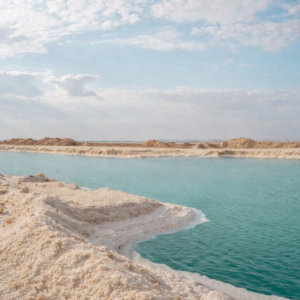
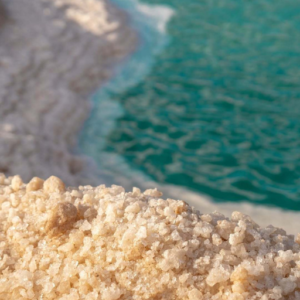
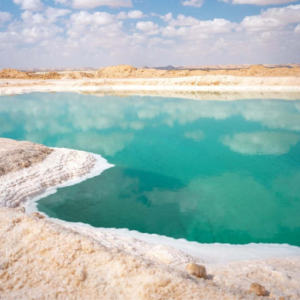
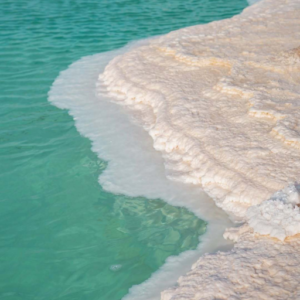
- Float in the Siwa Salt Lakes.
- Watch sunset at Fatnas Island.
- Take a 4×4 safari into the Great Sand Sea.
- Try sandboarding on the dunes.
- Visit desert springs and lakes.
- Drink traditional Siwan tea in the desert.
- Discover Siwa House Museum.
- Walk through Siwa town and its market.
- Try traditional Siwan food.
- Shop for local handicrafts.
- Explore the palm and olive groves.
- Discover Siwa’s lakes and natural landscapes.
- Visit Dakrour Mountain.
- Experience desert stargazing.
- Combine Siwa with a longer Western Desert adventure.
A first-time visitor should ideally spend at least three days in Siwa itself, although four or five days provide a more relaxed experience.
Travelers short on time can see many of the main attractions on our 3 Days Siwa Oasis Tour from Cairo, while a longer itinerary gives you more time to slow down and experience the oasis beyond the essential sightseeing stops.
1. Explore the Historic Shali Fortress
No list of the best things to do in Siwa Oasis should begin anywhere else.
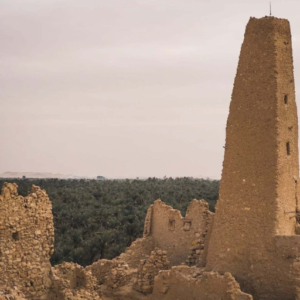
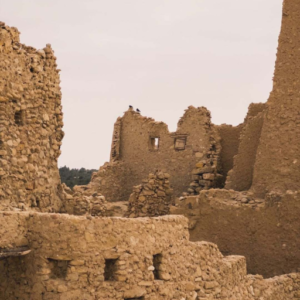
Shali Fortress, also known as the old town of Shali, rises above modern Siwa and remains one of the oasis’s most recognizable landmarks.
Its narrow passages, elevated viewpoints and distinctive architecture reveal how Siwans adapted to the harsh desert environment for centuries.
Traditional structures in old Shali were created using a local building material made from salt-rich earth and mud. Egypt’s Ministry of Tourism and Antiquities says the historical settlement dates back to around the 12th century and describes the restoration of the fortress and its surrounding walls as part of a wider project to preserve Siwa’s architectural heritage. Read the Ministry of Tourism and Antiquities information about Shali Fortress.
Today, walking through Shali is one of the easiest ways to begin understanding Siwa.
Go slowly through the old pathways, examine the remaining structures and climb to a suitable viewpoint for panoramic views across the oasis.
Best for: History, architecture, photography and sunset views.
2. Visit the Temple of the Oracle of Amun
The Temple of the Oracle is one of Siwa’s most historically significant attractions.
Located at Aghurmi, the temple became famous in the ancient world because of the Oracle of Amun.
Siwa is strongly associated with Alexander the Great, who traveled to the oasis after entering Egypt. The official Egyptian tourism material also connects Siwa with Alexander’s famous journey to the oracle.
The archaeological importance of the area goes beyond tourism marketing. The Siwa archaeological area, including the Oracle temple and Temple of Amun at Umm Ubayda, appears on Egypt’s UNESCO World Heritage Tentative List. It is important to note that this means Siwa is a tentative site, not currently an inscribed UNESCO World Heritage Site. See the UNESCO Siwa archaeological area entry.
Visit with a knowledgeable guide and the ruins become much more meaningful than a quick photo stop.
Best for: Ancient history and archaeology.
3. See the Ruins of the Temple of Umm Ubayda
A short distance from the Oracle Temple are the surviving remains associated with the Temple of Amun at Umm Ubayda.
Much less remains standing here than at some of Egypt’s famous temple complexes, but that is part of the experience.
Siwa is not Luxor.
Instead of huge monumental structures surrounded by tour groups, many archaeological places here appear within a quiet oasis landscape of palms, villages and desert.
The Temple of Umm Ubayda is especially worthwhile when visited together with Aghurmi and the Oracle Temple because the sites provide greater historical context when seen as part of the same itinerary.
UNESCO’s Tentative List specifically identifies both the Oracle Temple and the Temple of Amun at Ubaydah as part of Siwa’s archaeological area.
Best for: Travelers interested in Siwa’s ancient religious history.
4. Explore the Mountain of the Dead
The Mountain of the Dead, commonly known as Gebel al-Mawta, is another essential Siwa Oasis attraction.
The rocky hill contains ancient tombs from different periods of Siwa’s history and offers a very different archaeological experience from the temples around Aghurmi.
Egypt’s Ministry of Tourism and Antiquities identifies the Mountain of the Dead alongside the Temple of Amun as one of Siwa’s important ancient sites.
The landscape also makes the location visually memorable. From higher ground, you begin to understand the geography of the oasis: settlement, palms, water and desert existing side by side.
If you are visiting Siwa for only three days, the Mountain of the Dead is easy to combine with the Oracle Temple, Cleopatra’s Spring and the salt lakes in one full sightseeing day.
Our 3-day Siwa tour from Cairo includes the Mountain of the Dead as one of its main historical stops.
5. Relax at Cleopatra's Spring
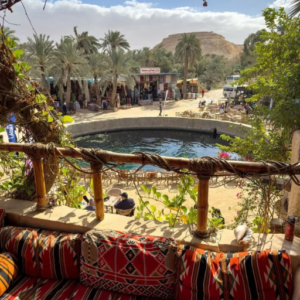
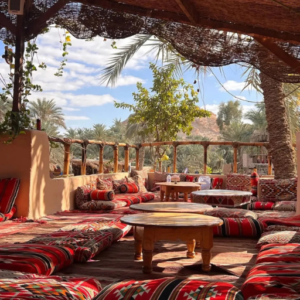
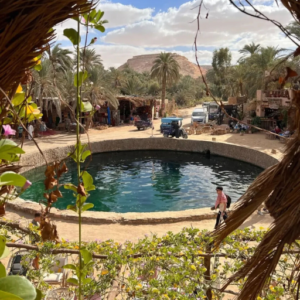
After exploring ancient ruins in the desert sun, Cleopatra’s Spring offers a completely different side of Siwa.
Also called Cleopatra’s Bath or Cleopatra’s Eye, it is one of the oasis’s most famous natural springs.
Despite the name, the story that Cleopatra herself bathed here should be treated as local legend rather than established historical fact. Egypt’s official tourism website similarly describes the association with Cleopatra as a tradition or rumor rather than a proven event.
That does not make the experience any less enjoyable.
The spring is surrounded by oasis life, and travelers commonly stop here between archaeological visits and the nearby natural attractions.
Bring suitable swimwear if you intend to enter the water and respect local customs when changing clothes or walking through nearby communities.
Best for: Relaxation and a break between sightseeing stops.
6. Float in the Siwa Salt Lakes
For many international visitors, the Siwa Salt Lakes are the attraction that first inspired them to visit the oasis.
The colors can be extraordinary.
Depending on the light, season and individual pool, the water can appear turquoise, deep blue or almost unreal against brilliant white salt deposits and the surrounding desert.
High salinity makes floating one of the signature experiences here.
Egypt’s official tourism platform specifically highlights Siwa’s striking salt lakes as one of the oasis’s main natural attractions.
A few practical tips make the experience much better:
- Avoid shaving immediately before visiting.
- Do not enter with fresh cuts or irritated skin.
- Keep the highly salty water away from your eyes.
- Bring fresh water if available to rinse afterward.
- Wear footwear appropriate for rough salt surfaces.
- Follow your guide’s instructions about where swimming is appropriate.
Do not rush the salt lakes only for photographs. Give yourself time to float, look around and enjoy the unusual landscape.
Read more in our complete Siwa Oasis guide.
7. Watch Sunset at Fatnas Island
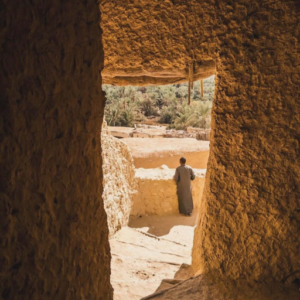
Siwa is famous for sunsets, and Fatnas Island is one of the classic places to watch the day end.
Often associated with the lake area west of the town, Fatnas combines palm trees, open views and the warm evening light that makes the oasis particularly photogenic.
The atmosphere is the attraction.
There is no need to rush from monument to monument.
Find a comfortable place, order a drink if available and watch the colors change over the water and palm groves.
This slower rhythm is one of the reasons Siwa deserves more than a quick visit.
On our 3 Days Siwa Oasis Tour from Cairo, a Fatnas sunset can be included on the first day when arrival time allows.
Best for: Couples, photographers and relaxed travelers.
8. Take a 4x4 Safari into the Great Sand Sea
Historical attractions show you Siwa’s past.
The Great Sand Sea shows you the scale of the Western Desert.
Beyond the oasis, enormous dune systems extend into one of North Africa’s most dramatic desert landscapes.
UNESCO’s description of the Great Sand Sea calls it one of the world’s largest major dune areas and describes a vast landscape extending from the Siwa region southward through Egypt’s Western Desert.
For visitors, the most accessible way to experience it from Siwa is normally a guided 4×4 safari.
A safari can combine dune driving, viewpoints, sandboarding, springs or lakes, sunset and traditional tea stops depending on access and the selected route.
Egypt’s official tourism authority recommends planning desert adventures with a hotel, tour operator or experienced licensed guide and checking current access and permit requirements. See Egypt’s official desert safari guidance.
The Great Sand Sea safari is included in Western Desert Travel’s 3-day Siwa itinerary.
9. Try Sandboarding on the Dunes
One of the most enjoyable things to do in Siwa for adventure travelers is sandboarding.
The Great Sand Sea provides the ideal setting.
After the 4×4 reaches suitable dunes, your guide can select a safe slope and organize the boards.
You do not need previous snowboarding experience.
Most beginners simply start on smaller dunes and learn how to balance before trying a longer descent.
Falling on sand is part of the experience.
Egypt’s official tourism authority specifically highlights Siwa’s Great Sand Sea for desert exploration and sandboarding.
Bring sunglasses and secure anything loose before heading down a dune. Sand has a remarkable ability to find its way into pockets, cameras and phones.
Best for: Adventure travelers, groups and families with older children.
10. Visit a Desert Spring or Lake
One of the most surprising features of a Siwa desert safari is the contrast between massive dry dunes and unexpected water.
Routes can include desert springs or lakes depending on current access, conditions and itinerary.
Bir Wahed is one of the names frequently associated with desert excursions from Siwa, and Egypt’s official tourism platform identifies it as a freshwater stop in the desert landscape.
Some safari itineraries also include hot spring experiences.
Because routes, access and permit requirements can change, do not build an independent desert plan around a location you found on an old blog post or map.
Confirm the route locally and travel with an experienced desert driver.
11. Drink Siwan Tea While Watching the Desert Sunset
Sometimes the simplest moments become the strongest travel memories.
After dune driving and sandboarding, many Siwa desert safaris slow down before sunset.
A tea stop gives you time to sit on the sand, watch the dunes change color and enjoy the silence.
Western Desert Travel’s Siwa safari itinerary combines Great Sand Sea exploration, sandboarding, sunset and traditional Siwa tea as part of the afternoon desert experience.
It is worth resisting the urge to experience the entire desert through your phone.
Take photographs, then put the camera away.
Siwa’s silence is part of what makes the journey special.
12. Discover the Siwa House Museum
To understand Siwa beyond its scenery, make time for Siwa House.
A local cultural museum can provide context for traditional clothing, tools, household objects, craftsmanship and everyday oasis life.
This is particularly valuable because Siwa has its own strong cultural identity.
Egypt’s official tourism platform describes Siwan culture as rooted in Amazigh heritage and notes that the oasis’s long isolation helped preserve distinctive customs and language.
A museum visit works especially well before or after wandering through the market because you begin recognizing the cultural background behind some of the clothing, crafts and objects you see.
Our 7 Days Siwa and White Desert Tour includes both Shali Fortress and Siwa House during the Siwa section of the itinerary.
13. Walk Through Siwa Town and the Local Market
Not every attraction needs an entrance ticket.
Walking around central Siwa is one of the easiest ways to experience everyday oasis life.
Explore the streets around the main town, browse small shops and look for local products such as dates, olives, salt products, woven items, embroidery and other handicrafts.
The experience becomes better in the evening when the daytime sightseeing pace slows down.
Use this time to eat locally, browse shops or simply sit and watch the town.
Siwa should not feel like a checklist.
The more space you leave between major attractions, the more you notice.
14. Try Traditional Siwan Food
Food is an important part of understanding any destination, and Siwa is no exception.
The oasis’s agricultural landscape has long been associated with dates, olives and other locally grown products.
Instead of eating only familiar international meals at your hotel, try at least one locally prepared meal during your stay.
Ask your guide or accommodation staff for recommendations based on what is available that day.
Tea is also deeply connected with the social rhythm of desert trips and is particularly enjoyable during a sunset safari.
For international visitors, eating locally is one of the simplest ways to move from merely seeing Siwa to actually experiencing it.
15. Shop for Siwan Handicrafts and Local Products
If you want a souvenir from Egypt that feels different from the typical products found around Cairo or Luxor, Siwa is a good place to shop.
Look for locally made or locally inspired:
- Embroidery.
- Woven baskets.
- Textiles.
- Jewelry.
- Decorative salt products.
- Dates.
- Olives and olive products.
- Traditional crafts.
Buy thoughtfully rather than treating the market as another sightseeing stop.
Asking about who made an item or where it comes from can turn a simple purchase into a more meaningful connection with the oasis.
Supporting locally produced crafts also helps keep tourism spending within the community.
16. Explore Siwa's Palm Groves and Olive Trees
The contrast between Siwa’s cultivated land and the surrounding desert is one of the oasis’s defining visual features.
Palm groves and olive trees create green corridors between villages, lakes, springs and archaeological sites.
Egypt’s official tourism material highlights Siwa’s fertile landscape of palms and olive trees as part of what makes the oasis distinctive.
A quiet walk, bicycle ride where appropriate, or slow vehicle journey through agricultural areas reveals a completely different landscape from the Great Sand Sea.
This is particularly enjoyable in the early morning or late afternoon when the light is softer.
17. Experience Siwa's Lakes and Protected Natural Landscape
Siwa is not simply one town surrounded by sand.
It is part of a much larger oasis environment containing salt lakes, springs, wetlands, cultivated land and desert ecosystems.
The official Egyptian tourism platform describes the Siwa Protectorate as covering approximately 7,800 square kilometers and highlights its lakes, hot springs, palm-lined landscapes, wildlife and distinctive Siwan culture.
This wider perspective is important.
The salt lakes may be Instagram-famous, but they are only one component of a much larger natural system.
Spend time looking beyond the most popular swimming pools and appreciating the wider oasis landscape.
18. Visit Dakrour Mountain
Dakrour Mountain, or Gebel Dakrour, is another recognizable landscape feature near Siwa.
The mountain and surrounding area are closely connected with local traditions and offer another viewpoint over the oasis environment.
For most first-time travelers, it is a secondary attraction rather than something that should replace Shali, the Oracle Temple or the Great Sand Sea.
However, if you have four or five days in Siwa, Dakrour can add variety to your itinerary and give you another reason to explore beyond the central town.
This is one of the advantages of a longer stay: you can stop treating Siwa as a collection of famous attractions and start experiencing it as a complete destination.
19. Experience Stargazing in the Desert
After sunset, the desert changes completely.
Away from major urban areas and intense city lighting, a clear night in the Western Desert can provide excellent conditions for looking at the stars.
A night desert experience does not need a complicated astronomy program to be memorable.
Warm clothes in cooler months, somewhere comfortable to sit and enough time away from artificial light may be all you need.
If stargazing is a major priority, discuss it with your tour operator before departure so the itinerary can allow enough time outside town.
Travelers who want to combine Siwa with an even deeper camping experience can consider a longer route that continues toward Bahariya and the White Desert.
20. Combine Siwa Oasis with the White Desert
If you have a full week in Egypt and desert travel is a major part of your trip, you do not necessarily have to choose between Siwa and the White Desert.
The two destinations provide very different experiences.
Siwa Oasis offers:
- Salt lakes.
- Natural springs.
- Ancient temples.
- Amazigh cultural heritage.
- Oasis life.
- Great Sand Sea dunes.
The White Desert Egypt offers:
- Extraordinary chalk formations.
- Remote desert camping.
- Black Desert landscapes.
- Crystal Mountain.
- Valley of Agabat.
- Wide open desert scenery.
Western Desert Travel’s 7 Days Siwa and White Desert Tour from Cairo combines the North Coast, Siwa, the Great Sand Sea, Bahariya Oasis and an overnight White Desert camping experience.
For travelers who have the time, this creates a much broader introduction to Egypt’s Western Desert than visiting either destination alone.
How Many Days Do You Need in Siwa Oasis?
For most first-time visitors, three days in Siwa is the practical minimum for seeing the highlights without removing the desert safari.
A short itinerary can include:
Day 1: Arrival and Old Siwa
- Arrive from Cairo.
- Explore Siwa town.
- Visit Shali Fortress.
- Watch sunset at Fatnas if time allows.
Day 2: History, Salt Lakes and Desert Safari
- Mountain of the Dead.
- Oracle Temple.
- Umm Ubayda.
- Cleopatra’s Spring.
- Siwa Salt Lakes.
- Great Sand Sea 4×4 safari.
- Sandboarding.
- Desert sunset and Siwan tea.
Day 3: Relaxed Morning and Return
- Local market.
- Palm groves.
- Shopping.
- Return journey.
This is close to the structure used in our 3-day private Siwa tour from Cairo, which combines historical sites, salt lakes and the Great Sand Sea within a short trip.
If your schedule allows it, four or five days are better.
The extra time gives you more flexibility for the market, museums, slower mornings, photography, springs and longer desert experiences without trying to fit nearly every major attraction into one day.
Is 3 Days Enough for Siwa Oasis?
Yes, three days can work if your priority is seeing the major attractions.
However, remember that Siwa is remote.
Western Desert Travel’s current itinerary estimates the journey from Cairo at approximately 8–9 hours by road, so a three-day trip inevitably includes substantial travel time.
Three days is therefore best for travelers who:
- Have limited vacation time.
- Want the major Siwa highlights.
- Do not mind long road journeys.
- Prefer an organized itinerary.
Choose a longer trip if you want a slower experience.
What Is Siwa Oasis Famous For?
Siwa Oasis is best known for its unusual combination of salt lakes, springs, Amazigh culture, ancient archaeological sites and desert landscapes.
The destination stands apart from many other places in Egypt because you can visit a famous ancient oracle in the morning, float in a highly saline lake in the afternoon and watch sunset from the dunes of the Great Sand Sea before the day ends.
Siwa’s cultural identity is equally important.
Its long geographical isolation contributed to the preservation of a distinctive local culture and language rooted in Amazigh heritage. The Egyptian Tourism Authority includes this cultural identity among the features considered important to the Siwa Protectorate.
What Is the Best Way to Explore Siwa Oasis?
Inside and around the oasis, different attractions require different types of transport.
Central Siwa can be explored partly on foot, while more distant archaeological and natural attractions require transportation.
The Great Sand Sea is a different matter entirely.
Remote desert sections should be approached with an experienced local driver, suitable 4×4 vehicle and current knowledge of route restrictions and permits.
Egypt’s official tourism authority explicitly advises travelers planning desert adventures to coordinate with a hotel, tour operator or experienced licensed guide and to check whether intended areas are currently open to visitors.
For international travelers arriving from Cairo, an organized tour can also simplify:
- Cairo pickup and return.
- Accommodation.
- Local transportation.
- 4×4 desert safari.
- Route planning.
- Meals and water.
- Local guiding.
- Desert access arrangements.
You can compare the available options on our Western Desert tours page.
Is Siwa Oasis Worth Visiting?
Yes, especially if you want to experience a side of Egypt beyond the Nile Valley and Red Sea resorts.
Siwa is particularly suitable for travelers interested in:
- Desert adventure.
- Ancient history.
- Landscape photography.
- Local culture.
- Slow travel.
- Natural springs.
- Salt lakes.
- Sandboarding.
- Remote destinations.
The long journey from Cairo means Siwa is not ideal for everybody.
If you only have one or two spare days in Egypt, a shorter Western Desert destination may make more sense.
But if you can give Siwa three to five days, the oasis offers one of Egypt’s most distinctive combinations of culture, archaeology and desert scenery.
Plan Your Siwa Oasis Trip from Cairo
The best Siwa itinerary depends on your available time.
Choose the 3-Day Siwa Oasis Tour if:
You have limited time and want the essential experience: Shali, the Oracle Temple, Mountain of the Dead, Cleopatra’s Spring, salt lakes and Great Sand Sea safari.
Explore the 3 Days Siwa Oasis Tour from Cairo
Choose a Longer Siwa Trip if:
You prefer a slower pace with more time for local life, landscapes, relaxation and additional stops.
Explore the 5 Days Siwa Oasis Tour from Cairo
Choose Siwa + White Desert if:
You want a complete Western Desert journey rather than a single-destination holiday.
Explore the 7 Days Siwa & White Desert Tour from Cairo
You can also browse all Western Desert Travel tours to compare Siwa, Bahariya, the Black Desert, the White Desert and longer desert expeditions.
Final Thoughts: What Should You Not Miss in Siwa Oasis?
The best things to do in Siwa Oasis are not limited to one famous attraction.
The destination works because of the contrast between its experiences.
Walk through the remains of Shali Fortress.
Stand where ancient travelers once came to consult the Oracle of Amun.
Float in the intensely saline Siwa Salt Lakes.
Stop at Cleopatra’s Spring.
Watch the sun disappear behind the palms at Fatnas.
Then leave the oasis behind for a few hours and drive into the enormous dunes of the Great Sand Sea.
That combination of history, oasis life, Amazigh heritage, salt lakes and desert adventure is what makes Siwa different from almost anywhere else in Egypt.
If you have three days, focus on the highlights.
If you have five days, slow down.
And if you have a week, consider combining Siwa with Bahariya and the White Desert for a much wider journey through Egypt’s Western Desert.
Western Desert Travel TripAdvisor reviews
We are proud to be trusted by travelers from the USA, UK, Europe, and expats living in Egypt.
Posted on Tripadvisor
 Nicholas B
Verified
Unforgettable experience My wife and I went on a safari with Western Desert travel and it was an amazing experience. The White Desert was enchanting, Crystal Mountain was breathtaking, and the Black Desert was a unique experience. The guides were professional and helpful, and the meals were delicious and fresh. I highly recommend this company to lovers of adventure, nature, and relaxation. Thank you for an unforgettable experience!Posted on Tripadvisor Gary S
Verified
Excellent service The White Desert tour with Western Desert travel Company was an unforgettable experience. Excellent organization and great service. Thank you!Posted on Tripadvisor Susan PAn amazing adventure An amazing experience! The White Desert tour with Western Desert travel Company was beyond wonderful. The rest at the camp was relaxing, and the meals were delicious. The activities were fun, like sandboarding and camping under the stars. The guides were professional and very helpful. I highly recommend this tour to adventure and nature lovers! ????Posted on Tripadvisor
 Fred AA perfect adventure for us As soon as we left Cairo behind and entered the vast expanse of the Western Desert, it felt like stepping into another dimension. The landscape slowly transformed from the bustling cityscape into endless golden dunes, rugged rock formations, and an overwhelming sense of serenity. Our first stop was Bahariya Oasis, a lush haven in the middle of the arid desert, where palm trees swayed gently in the breeze, and natural hot springs promised relaxation after a long journey.Posted on Tripadvisor
 Justin LA great experience in the White Desert Mohamed is an exceptional tour guide, polite, knowledgeable, and fluent in English. He is calm, well-educated, and makes the experience truly enjoyable. Our trip with him was nothing short of extraordinary! We explored incredible locations, including the Black Desert, once an area of active volcanic craters millions of years ago, the Crystal Zone with its dazzling natural crystals, and the breathtaking White Desert, where wind and time have sculpted the rocks into fascinating animal-like formations such as a snake, fish tail, camel, chicken, and rabbit.The scenery was mesmerizing, but the experience was made even better by the delicious, freshly prepared food. Every moment of the journey was enjoyable, and we were so captivated by the magic of the place that we decided to extend our stay for another night. What was planned as a one-night trip turned into two, simply because we couldn’t get enough of the stunning desert landscape.For anyone seeking a truly unique and unforgettable adventure, I highly recommend this tour with Western Desert Travel!Posted on Tripadvisor
 MakaylaAn authentic experience Our trip to the White and Black Deserts was nothing short of extraordinary! From the moment we set out, we were captivated by the breathtaking scenery—the golden dunes, the black volcanic hills, and the shimmering Crystal Mountain. But the true highlight was camping under a sky full of stars in the White Desert. The tranquility of the desert, combined with the warmth and hospitality of Mohamed and his team, made this experience unforgettable. The freshly prepared meals were delicious, and every detail of the trip was perfectly arranged. If you're looking for an adventure filled with beauty and serenity, this tour is an absolute must!Posted on Tripadvisor
 Bethany FUnforgettable trip in the desert Our camping trip in the White Desert was absolutely magical! From the moment we left Cairo, everything was smoothly organized—thanks to Mohamed and his incredible team. Driving through the Black Desert, marveling at Crystal Mountain, and feeling the golden dunes beneath our feet was breathtaking. But the real highlight was camping under the stars in the serene White Desert. The fresh dinner prepared by Mohamed’s team was beyond delicious, and the whole experience felt like a dream. Their hospitality, attention to detail, and passion for sharing this stunning landscape made this trip unforgettable We can't wait to return for a longer adventure!Posted on Tripadvisor
 Amelie BAn incredible experience This was hands down the best tour we've ever taken! Mohamed, our guide, was friendly, professional, and incredibly knowledgeable. From the moment we set foot in the Black Desert to watching the sunset over the White Desert’s surreal rock formations, every second was awe-inspiring. The landscape looked like something out of a painting, with towering chalk formations shaped by nature over millions of years. We loved the peacefulness of the desert, the delicious food, and the warm hospitality. Initially, we planned for just one night, but we were so enchanted that we extended our stay! Highly recommended for nature lovers and adventure seekers.Posted on Tripadvisor
 didiwadidiI loved this trip This was a trip I had been looking forward to for a long time. Mohamed's advice was invaluable while I was planning the trip. Once underway it was clear that he knew the area very well. Mohamed arranged for local guides to meet us when visiting historical sites. The accommodation was clean and comfortable and the food was excellent. The highlight for me was camping in the white desert, definitely an experience not to be missed. I have no hesitation in recommending Western Desert Travel.Below are the details of my trip:Day : 9 june Travel from Alexandria to Wadi Al Hitan to see the whale fossils. In the late afternoon proceed to Bahariya Oasis. Overnight at Bahariya. Day : 10 juneAfter the breakfast • local safari tour: through the old centre of the oasis, the black mountains, the sand dunes, salt lake, the gardens, pyramid mountain It is the place where the second largest dinosaur in the world was discovered. At sunset we go to the mountain with the ruin called "The English house" It is where the English lived in World War than back to the hotel for the diner. • In the evening there is a possibility to visit the village and the shopsDay : 11 June • After the breakfast we start the safari tour to the White Desert • (about 180 km.) This tour is going off and on road, with 4x4 cars. We will stop and drive to all the special areas between Bahariya and the White Desert , like: • the black desert • the valley of El Haize with the nice, warm spring; here we can have lunch. • the crystal mountains • the valley of l'Agabat Visit the Petrified Watermelon Valley overnight in this place and make the camping and cook frish food for dinner and Bedouin tea on fairDay : 12 juneAfter the breakfast Go for adventures among the dunes lunch time at the ( magic spring ) It is an enchanted Roman water spring. When you approach it, the water flows, and when you move away from it, the water stops and you visit the Roman cemetery. And lunch time than drive to Visiting petrified trees and petrified coral reefs and• the White Desert • We will make the safari camp in the White desert and cook a fresh meal for dinner. Day : 13 June • After breakfast we drive A tour in the White Desert to see chalk rocks of different shapes, such as the Sphinx, horse, chicken, elephant, rabbit than drive to farafa Oasis to visit Badr Museum drive to Dakhla Oasis, after lunch, going to visit Deir Al Hagar, the tombs of Qarat al Muzawaqqa and Al Qasr. Overnight in Dakhla in the hotelDay :14 June after breakfast drive to Kharga Oasis, visit Necropolis of Al Baghawat, the Temple of Hibis, Deir al Munira. will then proceed to Luxor.Posted on Tripadvisor
 PSFantastic Accompanied by an excellent, friendly, knowledgeable host and team. Travelling solo can be daunting in Egypt but they made me feel welcome and well looked after. The desert is just fantastic, and the camping experience very calming - all your problems go away. Muhammed is a great cook, very entertaining and thoughtful. The white desert is has an ethereal beauty, especially pretty at sunset. A must see
Frequently Asked Questions About Things to Do in Siwa Oasis
Find practical answers about the best things to do in Siwa Oasis, how many days to stay, salt lakes, desert safaris, historical attractions and planning your trip from Cairo.
Pingback: Cairo to Siwa Oasis: Bus, Car & Tour Guide (2026)
Pingback: Western Desert Egypt: Best Places to Visit & Travel Guide
Pingback: Western Desert Egypt Itinerary: 3, 5, 7 & 8-Day Routes
Pingback: Western Desert Egypt from Cairo: Routes, Transport & Tours
Pingback: Best Time to Visit Siwa Oasis Egypt: 2026–2027 Weather Guide