
Camping in Egypt’s White Desert is not simply a place to sleep between two sightseeing days.
For many travelers, the night is the most memorable part of the entire journey.
During the afternoon, you explore the Black Desert, Crystal Mountain, Valley of Agabat and the White Desert’s unusual chalk formations by 4×4. As sunset approaches, the local team selects an appropriate camping area, prepares the sleeping setup and begins cooking dinner.
The light fades, the temperature changes and the atmosphere becomes completely different from Cairo.
There are no crowded hotel corridors, city traffic or illuminated streets. Instead, the evening is shaped by open landscapes, simple food, tea, conversation, stargazing and the silence of the Western Desert.
However, travelers should understand what this experience really involves before booking.
A White Desert camp is normally a temporary outdoor setup rather than a permanent resort. Bathroom facilities are basic, electricity may be unavailable and phone reception can be limited. The quality and privacy of tents, bedding and camp arrangements may also vary according to the operator and itinerary.
This guide explains exactly what to expect from White Desert camping, including sleeping arrangements, toilets, meals, temperatures, privacy, safety and the difference between spending one or two nights in the desert.
Quick Answer: What Is White Desert Camping Really Like?
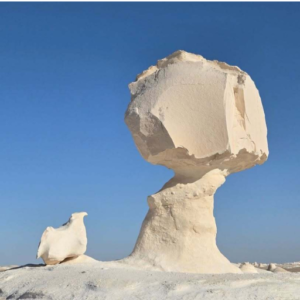
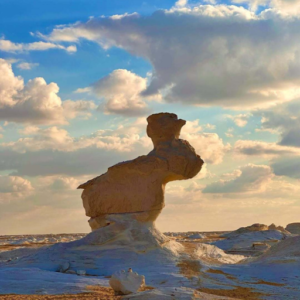
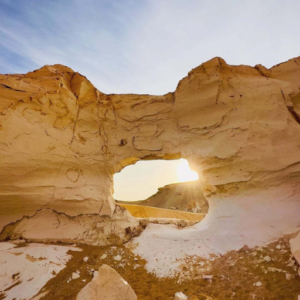
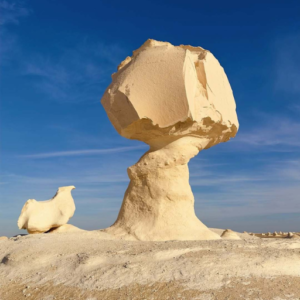
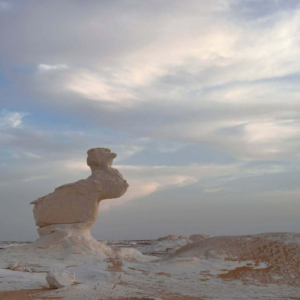
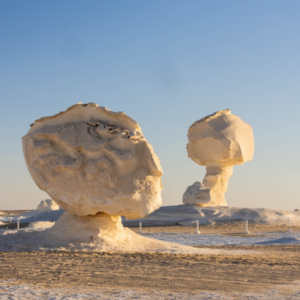
White Desert camping is best described as a guided mobile desert camp with prepared meals, sleeping equipment and local support.
On an organized tour, the local team will normally arrange:
- The campsite.
- Tents or a sheltered sleeping setup.
- Mattresses.
- Blankets or sleeping equipment.
- Dinner and breakfast.
- Drinking water.
- Tea.
- Camp lighting.
- A guide and driver.
- Transport by 4×4 vehicle.
- The required route and logistical arrangements.
Western Desert Travel’s current two-day tour includes a private or shared tent, sleeping mattresses, blankets, dinner, stargazing and sunrise as part of its overnight camping experience.
The experience is more comfortable than independent wilderness camping because the major equipment and logistics are organized for you. However, it remains an outdoor adventure and should not be compared with a hotel room or permanent luxury camp.
Is White Desert Camping Allowed?
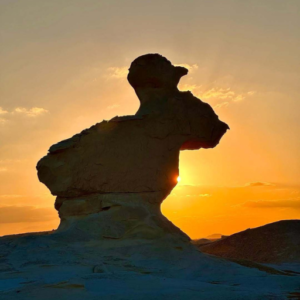
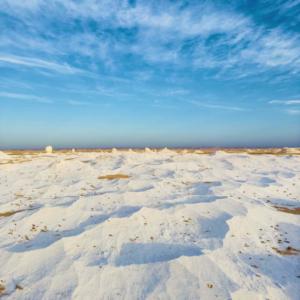
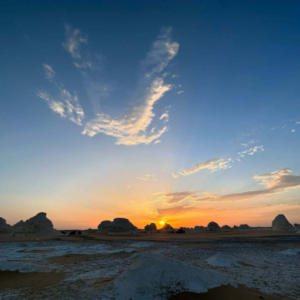
The White Desert is a protected natural area, and visits should be organized according to the relevant regulations and route requirements.
Egypt’s State Information Service describes the White Desert as a national park reserve known for its white chalk formations and natural landscapes.
Egypt’s official tourism platform also advises travelers to check permits, transportation and logistics with a hotel, tour operator or authorized travel agency before entering the desert. It notes that licensed guides and local companies can arrange tents, food and other necessary equipment.
This means White Desert camping should not be approached like arriving independently at an ordinary public campsite.
Travelers should use a properly organized tour with:
- A knowledgeable local guide.
- A suitable 4×4 vehicle.
- Confirmed route arrangements.
- Sufficient fuel and water.
- Reliable camping equipment.
- Clear emergency procedures.
- Respect for the protected environment.
Your operator should explain the itinerary, inclusions and current requirements before departure.
What Happens Before the Camp Is Set Up?
A normal White Desert camping day begins long before sunset.
Travelers usually leave Cairo early and drive toward Bahariya Oasis. After reaching Bahariya, the group changes to a suitable safari vehicle and begins exploring the Western Desert route.
A two-day itinerary may include:
- Black Desert viewpoints.
- El Haize Valley.
- A natural spring.
- Crystal Mountain.
- Sand dunes.
- Valley of Agabat.
- The Old White Desert.
- The New White Desert.
- Famous chalk formations.
Western Desert Travel’s 2-day White Desert tour from Cairo includes these major landscapes before the overnight camp. The listed driving time from Cairo to Bahariya is approximately four to five hours, followed by a longer safari route toward the White Desert.
As the afternoon progresses, the guide considers:
- The route completed that day.
- Sunset time.
- Weather and wind.
- Ground conditions.
- The planned route for the following morning.
- Protected-area regulations.
- The group’s needs.
- Suitable distance from other camps.
The exact campsite may therefore vary.
A responsible operator does not always use precisely the same spot regardless of conditions. Flexibility is an important part of desert travel.
What Does a White Desert Camp Look Like?
A mobile White Desert camp is usually simple and temporary.
It may include:
- One or more sleeping tents.
- Mattresses arranged inside the tents.
- Blankets or sleeping bags.
- A protected sitting area.
- Rugs or cushions.
- A low table or meal area.
- Cooking equipment.
- Lighting.
- A fire area where permitted and suitable.
- A private area for basic toilet arrangements.
The setup is transported with the safari team and removed after the group leaves.
You should not expect:
- Permanent buildings.
- Hotel reception.
- Fixed bedrooms.
- Air conditioning.
- A conventional restaurant.
- Permanent showers.
- Standard electrical outlets.
- Wi-Fi.
- A hotel-style bathroom.
This temporary setup is part of the appeal.
Instead of sleeping in a building that separates you from the landscape, the camp allows you to remain within the desert environment throughout sunset, nighttime and sunrise.
Are the Tents Private or Shared?
Tent arrangements depend on your booking.
A private tour does not automatically guarantee that every traveler receives an individual tent. “Private tour” generally means the vehicle, itinerary and service are arranged for your booking rather than shared with an unrelated public group.
Before paying, ask:
- Is the tent private for our party?
- How many people sleep in each tent?
- Can couples have a separate tent?
- Can solo travelers request an individual tent?
- Are family tents available?
- Is there an additional charge for a single tent?
- Are tents fully enclosed?
- How are tents protected from wind?
Western Desert Travel’s two-day itinerary states that the camping setup may use a private or shared desert tent. The exact arrangement should therefore be confirmed for each booking.
Couples, families and solo travelers with privacy concerns should communicate their preferences before departure rather than waiting until the campsite is being prepared.
What Are the Sleeping Arrangements?
The typical sleeping setup includes a tent, mattress and blankets or other bedding.
Western Desert Travel lists comfortable tents, sleeping mattresses and blankets on its current two- and three-day camping itineraries.
However, “comfortable” is subjective.
A desert mattress will not normally feel identical to a hotel bed. Its purpose is to provide insulation and cushioning from the ground while remaining practical enough to transport in a 4×4 vehicle.
Before booking, travelers with specific needs should ask:
- How thick are the mattresses?
- Are sleeping bags provided?
- Are clean blankets provided for each trip?
- Is a pillow included?
- Can an additional mattress be requested?
- Can extra blankets be arranged in winter?
- Is the bedding suitable for the expected season?
- Can a sleeping bag liner be brought personally?
Travelers with back, hip or joint problems should discuss those requirements in advance.
Adding a second mattress or selecting an itinerary with a hotel night may make a major difference to comfort.
Do You Sleep Inside a Tent?
Most guests sleep inside a tent or enclosed camp shelter.
Some travelers imagine sleeping directly under the stars. This may appear attractive, but wind, temperature, insects, dust and changing conditions can make an enclosed tent more practical.
Do not move your mattress outside the camp without discussing it with the guide.
The guide understands:
- The campsite boundaries.
- Vehicle movement.
- Wind direction.
- Ground conditions.
- Local wildlife.
- The safest places to sleep.
- Environmental rules.
Travelers interested in a more open sleeping arrangement should request it before the trip and follow the guide’s recommendation on the night.
Is White Desert Camping Comfortable?
White Desert camping can be comfortable when your expectations match the experience.
It is usually comfortable enough for first-time campers because the operator manages the difficult parts:
- Transportation.
- Navigation.
- Camp setup.
- Food preparation.
- Water.
- Main sleeping equipment.
- Packing and removal of the camp.
You do not need to carry your tent for several kilometers, cook your own food or navigate the desert independently.
However, it is not the same as staying in a conventional room.
You may experience:
- A firmer mattress.
- Wind against the tent.
- Cooler nighttime temperatures.
- Sand or dust around the camp.
- Basic toilet arrangements.
- Limited washing facilities.
- No electricity.
- Natural desert sounds.
- An earlier wake-up for sunrise.
Travelers who enjoy adventure usually consider these conditions part of the experience.
Travelers who require a normal bed, private bathroom and guaranteed electricity may prefer a three-day itinerary that combines one hotel night in Bahariya with one White Desert camping night.
The 3-day White Desert tour from Cairo currently includes one night in a Bahariya hotel and one night at a White Desert camp, making it a more balanced option for first-time desert travelers.
Are There Toilets at the White Desert Camp?
This is one of the most important questions to ask before booking.
A mobile desert camp does not normally have the same permanent bathroom infrastructure as a hotel. Toilet arrangements are usually basic and depend on the operator’s equipment and selected campsite.
Possible arrangements may include:
- A portable toilet.
- A screened private area.
- A simple temporary setup organized by the team.
- A designated location away from sleeping and cooking areas.
Do not assume that there will be:
- A flushing toilet.
- Running water.
- A permanent bathroom building.
- A sink.
- A shower.
- Hotel-style toiletries.
Ask the operator to describe the exact arrangement clearly.
A useful question is not simply, “Is there a bathroom?”
Ask instead:
What type of toilet is provided at the camp, and is it inside a private enclosed area?
This produces a much clearer answer.
Travelers with mobility limitations, medical needs or children should discuss bathroom access before selecting the tour.
Can You Shower in the White Desert?
A shower should not normally be expected during a standard mobile camping night.
Most travelers manage one night using:
- Wet wipes.
- A small towel.
- Face cleanser.
- Hand sanitizer.
- Toothbrush and toothpaste.
- A limited amount of water for basic washing.
- Clean sleeping clothes.
For a two-day tour, this is usually manageable.
For longer tours with two camping nights, ask whether the route includes:
- A spring stop.
- A hotel before or after camping.
- A washing arrangement.
- Access to additional water.
Water in a remote camp should be used responsibly, particularly when it has been transported for drinking, food preparation and essential hygiene.
Bring travel-size products rather than a large toiletry bag.
For a complete checklist, read our White Desert Egypt packing list.
What Is Dinner Like at the Camp?
Dinner is usually prepared after the camp has been established.
Western Desert Travel’s current itineraries include freshly prepared meals, mineral water and tea, with the two-day tour describing a traditional Bedouin-style dinner as part of the evening experience.
The meal may include simple dishes such as:
- Rice.
- Vegetables.
- Salad.
- Soup.
- Chicken.
- Meat.
- Bread.
- Fruit.
- Tea.
The exact menu varies according to the team, group and itinerary.
The experience should be understood as freshly prepared camp food rather than a restaurant menu with many individual choices.
Eating a warm meal after a full safari day is one of the most enjoyable parts of the night, especially as temperatures begin to fall.
Can Dietary Requirements Be Accommodated?
Many dietary requirements can be accommodated when the operator knows about them before departure.
Inform the team about:
- Vegetarian diets.
- Vegan diets.
- Food allergies.
- Gluten-related requirements.
- Religious restrictions.
- Diabetes-related meal needs.
- Children’s dietary needs.
- Foods that may interact with medication.
Do not wait until dinner preparation begins.
Remote cooking requires advance planning. The team must buy and transport the correct ingredients from Cairo or Bahariya before entering the desert.
For a serious allergy, explain:
- The specific allergen.
- The severity of the reaction.
- Cross-contamination concerns.
- Required medication.
- Emergency instructions.
Carry your own essential medical food or allergy-safe snack when appropriate.
Is There a Campfire?
Many White Desert camping experiences include gathering around a fire where conditions and regulations allow it.
Western Desert Travel lists a campfire gathering as part of its current two- and three-day itineraries.
The fire may be used for:
- Warmth.
- Tea.
- Cooking.
- Lighting.
- Creating a central sitting area.
However, a campfire should never be treated as guaranteed regardless of weather or local restrictions.
Wind, environmental regulations and campsite conditions may affect whether a fire is appropriate.
Travelers should not:
- Build a separate fire.
- Burn plastic or tissues.
- Move burning materials.
- Leave the fire unattended.
- throw waste into the flames.
- Collect or damage natural features for fuel.
Follow the local team’s instructions.
What Happens After Dinner?
The evening is normally unstructured compared with a city tour.
After dinner, travelers may:
- Sit around the camp.
- Drink tea.
- Talk with the guide.
- Walk a short distance with permission.
- Photograph the formations.
- Watch the stars.
- Listen to the silence.
- Prepare cameras for night photography.
- Go to sleep early before sunrise.
This slower period is important.
The value of White Desert camping does not come from completing a long list of nighttime activities. It comes from having enough time to experience the atmosphere without immediately returning to a vehicle or hotel.
Avoid spending the entire evening looking at your phone.
Mobile reception may be limited, and a power bank is more useful for essential communication and photography than continuous scrolling.
Is Stargazing Good in the White Desert?
azing is one of the main reasons travelers choose to camp overnight.
The White Desert is far from Cairo’s intense urban lighting, and the open landscape can provide broad views of the sky. The quality of the view still depends on:
- Cloud cover.
- Dust.
- Wind.
- Moon phase.
- Season.
- Camp lighting.
- Your eyesight.
- The selected campsite.
A full moon may make faint stars less visible, but it can illuminate the white formations and create dramatic night landscapes.
A darker moon phase may be better for seeing more stars or photographing the Milky Way.
Neither experience is automatically better.
Travelers interested in astrophotography should check the moon phase before booking and inform the operator that night photography is a priority.
Bring:
- A tripod.
- Spare batteries.
- A power bank.
- A headlamp with a red-light setting.
- Warm clothing.
- A remote shutter or timer.
- A lens-cleaning cloth.
- Additional memory cards.
Keep camp lighting low when other travelers are photographing the sky.
Is the White Desert Completely Silent at Night?
The White Desert can feel extraordinarily quiet compared with Cairo.
However, “silent” does not mean there will be no sound at all.
You may hear:
- Wind against the tent.
- The camp team preparing food.
- Other travelers talking.
- Vehicle doors.
- Fabric moving.
- Distant animals.
- Footsteps on sand or gravel.
- Morning camp preparation.
The absence of continuous traffic, music, generators and urban activity makes these smaller sounds more noticeable.
Travelers who are very light sleepers may bring earplugs, especially when sharing a tent or traveling with a group.
Are There Animals Around the Camp?
The Western Desert is a natural environment, and wildlife may be present.
Travelers should not:
- Leave food outside the designated meal area.
- Feed animals.
- Approach unfamiliar wildlife.
- Place food inside the sleeping tent.
- Walk far from camp alone at night.
- Leave shoes and bags open.
- Ignore the guide’s instructions.
The local team will choose and manage the campsite according to its experience of the area.
Most travelers do not need to be afraid of sleeping in the desert, but they should behave responsibly and avoid treating wild animals like pets or photography props
Does the White Desert Get Cold at Night?
Yes, the desert can feel much cooler after sunset.
The exact conditions depend on:
- Month.
- Wind.
- Cloud cover.
- Camp location.
- Daytime temperature.
- Your personal sensitivity to cold.
A common mistake is packing only for the warmest part of the afternoon.
Bring layers that can be added gradually:
- A breathable base layer.
- A long-sleeved shirt.
- A hoodie or fleece.
- A wind-resistant jacket.
- Warm socks.
- A hat or scarf during colder periods.
You may need the same clothing again before sunrise.
Do not place your warm clothes at the bottom of a large bag. Keep at least one layer accessible during the afternoon so you can put it on as soon as the temperature begins to change.
Our best time to visit the White Desert Egypt guide explains how the experience changes between different seasons.
Is the Camp Windy?
Desert conditions can change, and wind is possible at any time of year.
A well-positioned camp uses natural shelter, vehicle placement and secure tents to reduce exposure. However, you may still hear or feel wind during the night.
Prepare by bringing:
- A wind-resistant jacket.
- A scarf or buff.
- Lip balm.
- A secure hat.
- Protective bags for electronics.
- A tent arrangement suitable for the expected conditions.
Keep lightweight belongings inside your bag.
Do not leave tissues, plastic packaging, clothing or camera accessories loose around the camp.
If the wind becomes stronger, follow the guide’s instructions and avoid moving away from the camp alone.
Will You Sleep Well?
Some travelers sleep extremely well because the day is active and the environment is quiet.
Others need time to adjust to:
- A different mattress.
- An unfamiliar tent.
- Wind.
- Cooler temperatures.
- Shared sleeping arrangements.
- An earlier bedtime.
- Excitement about the experience.
You can improve your sleep by bringing:
- Warm sleeping clothes.
- Clean socks.
- Earplugs.
- An eye mask.
- A small travel pillow.
- Personal medication.
- A sleeping bag liner if preferred.
- A familiar lightweight blanket for a child.
- An additional mattress if required and requested early.
Avoid excessive tea or coffee immediately before sleeping if it normally affects you.
Visit the toilet area before entering the tent so you do not need to reorganize your clothing and headlamp later.
What Is Sunrise Like?
Sunrise is one of the main reasons not to replace the overnight experience with a rushed daytime visit.
The guide may wake the group early enough to:
- Dress warmly.
- Leave the tent.
- Prepare cameras.
- Walk to a nearby viewpoint.
- Watch the formations change color.
The white rocks may appear gray or blue before sunrise, then gradually become cream, gold or bright white as the light develops.
After sunrise, the team normally prepares breakfast and begins organizing the camp for departure.
Western Desert Travel’s current itineraries include sunrise viewing and photography before returning toward Bahariya Oasis and Cairo.
Do not pack all your warm clothes or camera equipment the night before. Keep them accessible for the morning.
What Is Breakfast Like?
Breakfast is normally simple and practical.
It may include:
- Bread.
- Cheese.
- Eggs.
- Jam or honey.
- Fruit.
- Tea.
- Coffee.
- Other available local breakfast items.
The exact menu varies.
Breakfast provides time to warm up, prepare for the day and enjoy the campsite before it is removed.
Travelers with specific breakfast requirements should communicate them in advance, particularly when traveling with children or managing a medical diet.
How Is the Camp Removed?
A mobile camp should leave as little evidence as possible.
The team packs:
- Tents.
- Mattresses.
- Blankets.
- Cooking equipment.
- Food supplies.
- Seating.
- Lighting.
- Waste.
Travelers should check their sleeping area for:
- Tissues.
- Plastic.
- Bottle caps.
- Food packaging.
- Batteries.
- Small clothing items.
- Camera accessories.
Nothing should be buried or left behind.
The White Desert’s formations and open landscapes are the reason visitors travel there. Protecting them is part of the experience, not an optional activity.
One Camping Night vs Two Camping Nights
Choosing the number of nights affects the entire pace of the journey.
One Camping Night
One night is suitable for:
- First-time campers.
- Weekend travelers.
- Visitors with limited time.
- Expats taking a short break from Cairo.
- Travelers adding the White Desert to a larger Egypt itinerary.
- Guests who want the essential sunset-to-sunrise experience.
The main disadvantage is the faster pace. A large portion of the itinerary is used for travel between Cairo, Bahariya and the desert.
Two Camping Nights
Two nights are suitable for:
- Adventure travelers.
- Photographers.
- Couples seeking more time in remote areas.
- Travelers who enjoy outdoor experiences.
- Visitors who want more dunes and off-road exploration.
- Guests who do not need hotel facilities.
The 3-day White Desert safari from Cairo currently includes two full desert camping nights. The first night is planned in the Agabat area, while the second is in the White Desert after visiting dunes, Magic Spring and fossil areas.
This is a more adventurous option than the standard three-day hotel-and-camp tour.
Which White Desert Camping Tour Should You Choose?
Choose the 2-Day Tour When:
- You have one night available.
- You want the essential White Desert experience.
- You are comfortable with a fast itinerary.
- You want a private customizable tour.
- You are visiting from Cairo for a weekend.
Recommended tour:
2-Day White Desert Tour from Cairo
Choose the 3-Day Hotel and Camp Tour When:
- You prefer a slower pace.
- You want to explore Bahariya Oasis.
- You want one night in a hotel.
- You are a first-time camper.
- You are traveling with family.
- You value additional comfort.
Recommended tour:
3-Day White Desert Tour from Cairo
Choose the 3-Day Two-Night Safari When:
- Camping is the main purpose of the trip.
- You want to stay in Agabat and the White Desert.
- You enjoy remote landscapes.
- You want more photography time.
- You are comfortable without a hotel night.
Recommended tour:
3-Day White Desert Safari from Cairo
Choose a 4-Day Trekking Expedition When:
- You want a more active experience.
- You enjoy walking rather than only driving.
- You are comfortable with multiple nights outdoors.
- You want deeper desert immersion.
Recommended tour:
4-Day White Desert Trekking Expedition
Is White Desert Camping Suitable for Couples?
Yes.
Couples often enjoy:
- A private vehicle and itinerary.
- Sunset photography.
- Quiet time at camp.
- Dinner under the stars.
- A shared adventure away from cities.
- Sunrise among the formations.
Before booking, confirm:
- Private tent arrangements.
- Whether other groups may camp nearby.
- Mattress setup.
- Dietary preferences.
- Any special occasion request.
A private tour gives couples more flexibility than a shared departure, although exact campsite privacy can never be guaranteed in a public protected area.
Is It Suitable for Solo Travelers?
Packing for Egypt’s White Desert is different from packing for a normal
Solo travelers can camp safely as part of an organized tour, but cost and group format require consideration.
Ask whether:
- The tour will be fully private.
- A shared departure is available.
- A single tent can be provided.
- There is a single supplement.
- Other travelers will share the vehicle.
- The guide remains at the camp overnight.
- The departure is guaranteed for one traveler.
A shared tour may reduce the price, while a private tour offers more control over stops, photography and pacing.
Is It Suitable for Families?
White Desert camping can be enjoyable for families when children are comfortable with:
- Long road journeys.
- Off-road driving.
- Basic toilets.
- Sleeping in a tent.
- Cooler nighttime conditions.
- Limited internet.
- Following safety instructions.
Parents should bring:
- Familiar snacks.
- Warm children’s clothing.
- Child-safe sunscreen.
- Personal medication.
- Wet wipes.
- Entertainment for the Cairo drive.
- A familiar pillow or small blanket.
- Additional clean clothes.
Ask for the exact mattress and tent configuration before booking.
Families who need more comfort may prefer the three-day tour with a Bahariya hotel night.
Is It Suitable for Older Travelers?
Age alone does not determine whether someone can enjoy desert camping.
More important considerations include:
- Mobility.
- Balance.
- Back and joint comfort.
- Ability to enter a 4×4 vehicle.
- Bathroom requirements.
- Medication.
- Sensitivity to temperature.
- Need for electrical medical equipment.
Older travelers should discuss these requirements honestly.
Possible adjustments include:
- Additional mattress.
- Private tent.
- Travel cushion.
- Slower itinerary.
- Hotel night in Bahariya.
- Additional rest stops.
- Assistance entering the vehicle.
Is There Phone Reception or Electricity?
Mobile reception may be limited or unavailable in remote desert areas.
Do not depend on being able to:
- Make video calls.
- Work online.
- Upload photographs.
- Use live navigation.
- Access banking applications.
- Contact your hotel immediately.
Before leaving Cairo:
- Download your itinerary.
- Save the operator’s contact details.
- Download offline entertainment.
- Inform family about the trip.
- Charge all devices.
- Carry a reliable power bank.
- Download passport and insurance copies.
- Confirm the expected return time.
Permanent electricity should not be expected at a mobile camp.
Ask whether charging from the safari vehicle is possible, but bring your own power bank regardless.
What Should You Pack for the Night?
The essential overnight items are:
- Warm base layer.
- Fleece or hoodie.
- Wind-resistant jacket.
- Long trousers.
- Warm socks.
- Comfortable closed shoes.
- Sleeping clothes.
- Headlamp.
- Power bank.
- Tissues.
- Wet wipes.
- Hand sanitizer.
- Toothbrush and toothpaste.
- Personal medication.
- Lip balm.
- Small towel.
- Earplugs.
- Camera batteries.
- Sealable waste bags.
Do not bring a large hard suitcase.
A small daypack and compact soft overnight bag are easier to transport and organize inside the 4×4.
Use our complete White Desert packing checklist before departure.
Questions to Ask Before Booking
Ask the tour operator:
- Is the tour private or shared?
- How many people will be in the vehicle?
- Is the sleeping tent private or shared?
- What mattresses and bedding are provided?
- Is a sleeping bag provided?
- Are extra blankets available?
- What type of toilet arrangement is used?
- Is the toilet area fully private?
- Are showers available?
- Which meals are included?
- Can dietary requirements be accommodated?
- Is drinking water included?
- Can devices be charged?
- How many camping nights are included?
- Is there a hotel night in Bahariya?
- What should I bring personally?
- How are current permits and logistics handled?
- What happens if the weather changes?
- What is the cancellation policy?
- What time should we expect to return to Cairo?
A professional operator should answer these questions clearly and explain which details may vary because of weather or desert conditions.
Is White Desert Camping Worth It?
White Desert camping is worth it for travelers who value experience over conventional hotel comfort.
The night provides something a daytime visit cannot reproduce:
- Sunset among the white formations.
- A freshly prepared meal in the desert.
- Time away from city noise.
- Stargazing.
- A mobile camp surrounded by open landscapes.
- Sunrise before returning toward Cairo.
It is particularly worthwhile for:
- Nature lovers.
- Adventure travelers.
- Photographers.
- Couples.
- Expats looking for a weekend escape.
- First-time visitors who want to experience Egypt beyond temples and cities.
- Travelers comfortable with basic outdoor facilities.
It may not be suitable for people who require:
- A conventional bathroom.
- A hotel bed.
- Guaranteed electricity.
- Reliable mobile reception.
- Climate-controlled accommodation.
- Immediate access to city services.
For most prepared travelers, the basic facilities are a small compromise compared with the atmosphere and scenery.
To understand the complete value of the experience, read our guide explaining whether a White Desert overnight tour is worth it.
Plan Your White Desert Camping Experience
Western Desert Travel organizes private and customizable White Desert camping tours from Cairo, including one-night safaris, hotel-and-camp itineraries and deeper two-night desert adventures.
Send us:
- Your preferred travel date.
- Number of travelers.
- Cairo or Giza pickup location.
- Preferred tour duration.
- Number of camping nights.
- Private or shared preference.
- Dietary requirements.
- Tent and mattress preferences.
- Medical or mobility considerations.
- Any photography or special occasion requests.
We will explain the camp setup, sleeping arrangements, included equipment and best itinerary for your group before you book.
Book the 2-Day White Desert Tour from Cairo
View the 3-Day White Desert Tour with Hotel and Camping
Explore the 3-Day Safari with Two Camping Nights
Explore All Western Desert Tours
WhatsApp Western Desert Travel: +20 12 2292 3204
Western Desert Travel TripAdvisor reviews
We are proud to be trusted by travelers from the USA, UK, Europe, and expats living in Egypt.
Posted on TripadvisorVerified Unforgettable experience My wife and I went on a safari with Western Desert travel and it was an amazing experience. The White Desert was enchanting, Crystal Mountain was breathtaking, and the Black Desert was a unique experience. The guides were professional and helpful, and the meals were delicious and fresh. I highly recommend this company to lovers of adventure, nature, and relaxation. Thank you for an unforgettable experience!Posted on TripadvisorVerified Excellent service The White Desert tour with Western Desert travel Company was an unforgettable experience. Excellent organization and great service. Thank you!Posted on TripadvisorVerified An amazing adventure An amazing experience! The White Desert tour with Western Desert travel Company was beyond wonderful. The rest at the camp was relaxing, and the meals were delicious. The activities were fun, like sandboarding and camping under the stars. The guides were professional and very helpful. I highly recommend this tour to adventure and nature lovers! ????Posted on TripadvisorVerified A perfect adventure for us As soon as we left Cairo behind and entered the vast expanse of the Western Desert, it felt like stepping into another dimension. The landscape slowly transformed from the bustling cityscape into endless golden dunes, rugged rock formations, and an overwhelming sense of serenity. Our first stop was Bahariya Oasis, a lush haven in the middle of the arid desert, where palm trees swayed gently in the breeze, and natural hot springs promised relaxation after a long journey.Posted on TripadvisorVerified A great experience in the White Desert Mohamed is an exceptional tour guide, polite, knowledgeable, and fluent in English. He is calm, well-educated, and makes the experience truly enjoyable. Our trip with him was nothing short of extraordinary! We explored incredible locations, including the Black Desert, once an area of active volcanic craters millions of years ago, the Crystal Zone with its dazzling natural crystals, and the breathtaking White Desert, where wind and time have sculpted the rocks into fascinating animal-like formations such as a snake, fish tail, camel, chicken, and rabbit.The scenery was mesmerizing, but the experience was made even better by the delicious, freshly prepared food. Every moment of the journey was enjoyable, and we were so captivated by the magic of the place that we decided to extend our stay for another night. What was planned as a one-night trip turned into two, simply because we couldn’t get enough of the stunning desert landscape.For anyone seeking a truly unique and unforgettable adventure, I highly recommend this tour with Western Desert Travel!Posted on TripadvisorVerified An authentic experience Our trip to the White and Black Deserts was nothing short of extraordinary! From the moment we set out, we were captivated by the breathtaking scenery—the golden dunes, the black volcanic hills, and the shimmering Crystal Mountain. But the true highlight was camping under a sky full of stars in the White Desert. The tranquility of the desert, combined with the warmth and hospitality of Mohamed and his team, made this experience unforgettable. The freshly prepared meals were delicious, and every detail of the trip was perfectly arranged. If you're looking for an adventure filled with beauty and serenity, this tour is an absolute must!Posted on TripadvisorVerified Unforgettable trip in the desert Our camping trip in the White Desert was absolutely magical! From the moment we left Cairo, everything was smoothly organized—thanks to Mohamed and his incredible team. Driving through the Black Desert, marveling at Crystal Mountain, and feeling the golden dunes beneath our feet was breathtaking. But the real highlight was camping under the stars in the serene White Desert. The fresh dinner prepared by Mohamed’s team was beyond delicious, and the whole experience felt like a dream. Their hospitality, attention to detail, and passion for sharing this stunning landscape made this trip unforgettable We can't wait to return for a longer adventure!Posted on TripadvisorVerified An incredible experience This was hands down the best tour we've ever taken! Mohamed, our guide, was friendly, professional, and incredibly knowledgeable. From the moment we set foot in the Black Desert to watching the sunset over the White Desert’s surreal rock formations, every second was awe-inspiring. The landscape looked like something out of a painting, with towering chalk formations shaped by nature over millions of years. We loved the peacefulness of the desert, the delicious food, and the warm hospitality. Initially, we planned for just one night, but we were so enchanted that we extended our stay! Highly recommended for nature lovers and adventure seekers.Posted on TripadvisorVerified I loved this trip This was a trip I had been looking forward to for a long time. Mohamed's advice was invaluable while I was planning the trip. Once underway it was clear that he knew the area very well. Mohamed arranged for local guides to meet us when visiting historical sites. The accommodation was clean and comfortable and the food was excellent. The highlight for me was camping in the white desert, definitely an experience not to be missed. I have no hesitation in recommending Western Desert Travel.Below are the details of my trip:Day : 9 june Travel from Alexandria to Wadi Al Hitan to see the whale fossils. In the late afternoon proceed to Bahariya Oasis. Overnight at Bahariya. Day : 10 juneAfter the breakfast • local safari tour: through the old centre of the oasis, the black mountains, the sand dunes, salt lake, the gardens, pyramid mountain It is the place where the second largest dinosaur in the world was discovered. At sunset we go to the mountain with the ruin called "The English house" It is where the English lived in World War than back to the hotel for the diner. • In the evening there is a possibility to visit the village and the shopsDay : 11 June • After the breakfast we start the safari tour to the White Desert • (about 180 km.) This tour is going off and on road, with 4x4 cars. We will stop and drive to all the special areas between Bahariya and the White Desert , like: • the black desert • the valley of El Haize with the nice, warm spring; here we can have lunch. • the crystal mountains • the valley of l'Agabat Visit the Petrified Watermelon Valley overnight in this place and make the camping and cook frish food for dinner and Bedouin tea on fairDay : 12 juneAfter the breakfast Go for adventures among the dunes lunch time at the ( magic spring ) It is an enchanted Roman water spring. When you approach it, the water flows, and when you move away from it, the water stops and you visit the Roman cemetery. And lunch time than drive to Visiting petrified trees and petrified coral reefs and• the White Desert • We will make the safari camp in the White desert and cook a fresh meal for dinner. Day : 13 June • After breakfast we drive A tour in the White Desert to see chalk rocks of different shapes, such as the Sphinx, horse, chicken, elephant, rabbit than drive to farafa Oasis to visit Badr Museum drive to Dakhla Oasis, after lunch, going to visit Deir Al Hagar, the tombs of Qarat al Muzawaqqa and Al Qasr. Overnight in Dakhla in the hotelDay :14 June after breakfast drive to Kharga Oasis, visit Necropolis of Al Baghawat, the Temple of Hibis, Deir al Munira. will then proceed to Luxor.Posted on TripadvisorVerified Fantastic Accompanied by an excellent, friendly, knowledgeable host and team. Travelling solo can be daunting in Egypt but they made me feel welcome and well looked after. The desert is just fantastic, and the camping experience very calming - all your problems go away. Muhammed is a great cook, very entertaining and thoughtful. The white desert is has an ethereal beauty, especially pretty at sunset. A must see
Frequently Asked Questions
Everything you need to know about camping, facilities, food and overnight stays in the White Desert.
Pingback: 15 Best Things to Do in White Desert Egypt | 2026 Guide
Pingback: Western Desert Egypt Itinerary: 3, 5, 7 & 8-Day Routes
Pingback: Best Western Desert Tours from Cairo: 2–8 Day Trips
Pingback: Western Desert Oases Egypt: 5 Best Oases to Visit
Pingback: Western Desert Safari Egypt: Best Routes & Tours